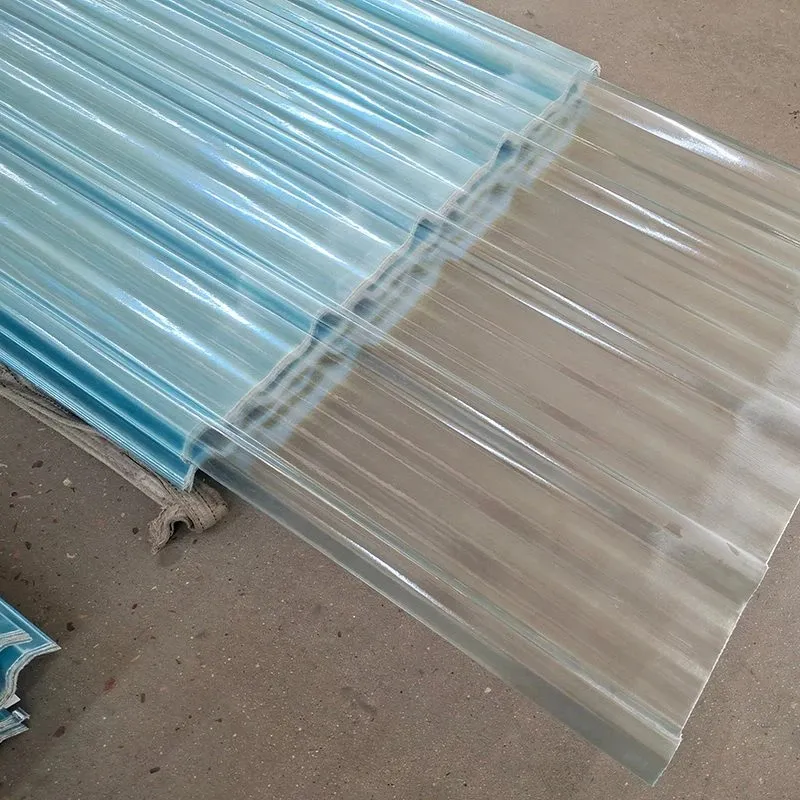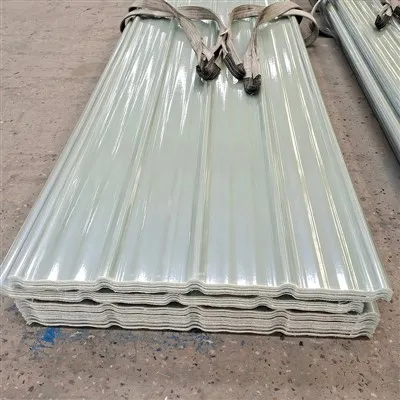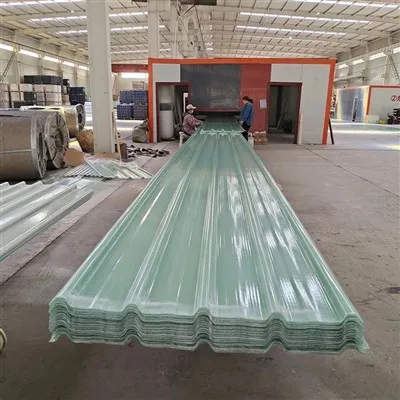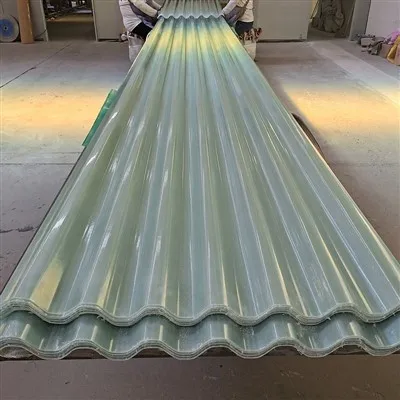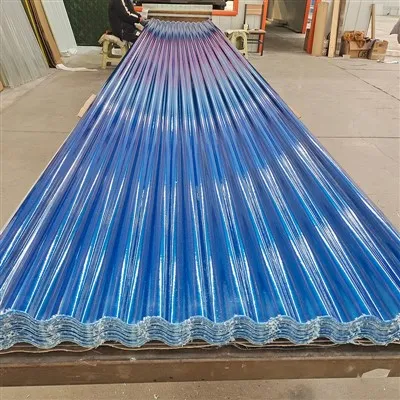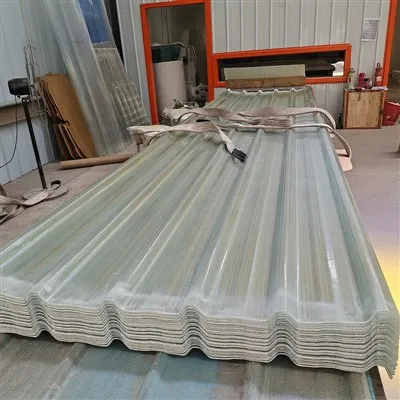
In building and outdoor structures, the "weather resistance" of FRP (fiber reinforced polymer) skylights is a key performance indicator. It refers to the material's ability to maintain its original physical properties and appearance even after long-term exposure to natural environmental conditions such as ultraviolet radiation, rain, and temperature differences. Ordinary plastics are prone to yellowing, brittleness, and cracking under sun and rain, while high-quality FRP skylights, through the addition of an anti-UV coating and a fiberglass layer, significantly improve their anti-aging capabilities. This structure not only enhances impact resistance but also effectively filters some harmful light, achieving a light-transmitting but heat-blocking effect, making it widely used in sunrooms, carports, warehouse roofs, and other applications.
My balcony previously used ordinary transparent plastic sheets, which noticeably yellowed after only two years, and the rain was incredibly noisy, like drumming. After replacing them with FRP skylights from Caisen Building Materials, the most noticeable improvement was the softer light, no longer the glaring direct sunlight. The sheets have high light transmittance, so we almost don't need to turn on lights during the day, saving electricity and providing bright illumination. What reassured me even more was that it withstood several typhoons, remaining steadfast without any loosening or deformation. During installation, I discovered it was much lighter than glass, making it easy to move and secure. And the UV-resistant film on the surface is no gimmick; even after a year, the color remains as clear as ever. For anyone looking to build an outdoor sunshade structure, this material, which balances strength, lifespan, and optical performance, is definitely a reliable choice.