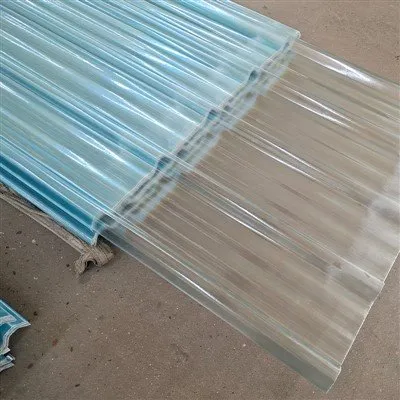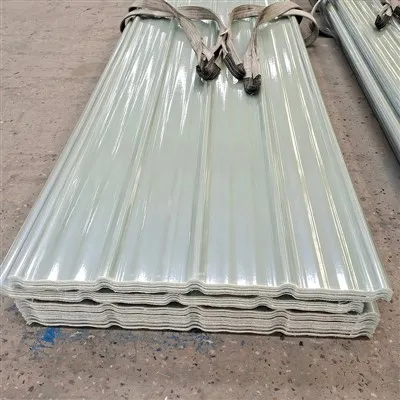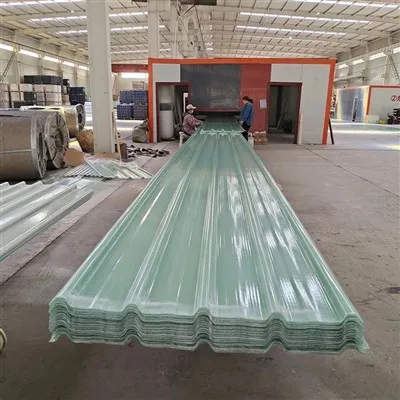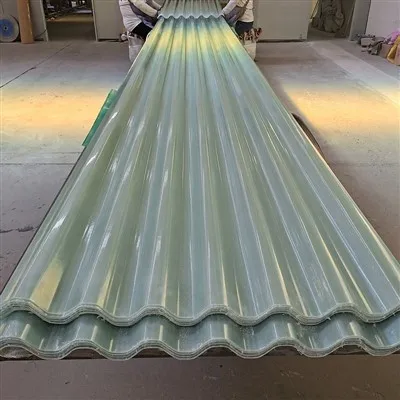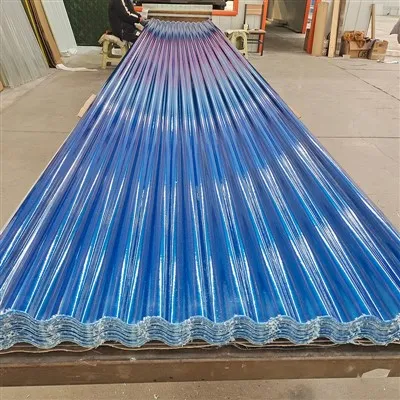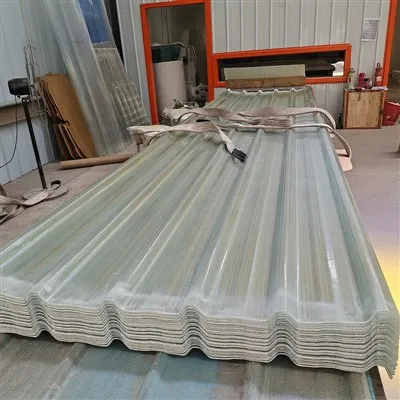
Fiber-reinforced plastic-scientifically known as fiber-reinforced polymer and commonly referred to as FRP-is a composite material in which a polymer matrix is reinforced with fibers. Specifically, when glass fibers are used to reinforce matrices such as unsaturated polyester, epoxy resin, or phenolic resin, the resulting material is termed glass fiber-reinforced plastic, or simply "fiberglass" (FRP); this material is distinct from tempered glass.
Depending on the specific type of resin employed, FRP can be categorized into polyester FRP, epoxy FRP, or phenolic FRP. It is characterized by being lightweight yet rigid, electrically non-conductive, and chemically stable; it possesses high mechanical strength, exhibits excellent corrosion resistance, and-though recyclable-is less frequently recycled than traditional materials. It can serve as a substitute for steel in the manufacture of machine components, as well as the bodywork for automobiles and marine vessels.
Based on the type of reinforcing fiber utilized, FRP is further classified into Glass Fiber Reinforced Polymer (GFRP), Carbon Fiber Reinforced Polymer (CFRP), Boron Fiber Reinforced Polymer, and others. Fundamentally, it is a composite material in which glass fibers-or products derived from them (such as glass cloth, tape, mat, or yarn)-serve as the reinforcing agents, while synthetic resins act as the matrix material. Fiber-reinforced composites consist of two primary components: the reinforcing fibers and the matrix. The fibers (or whiskers) typically have very small diameters-generally less than 10 μm-and contain fewer and smaller structural defects; they possess a fracture strain of approximately 30 parts per thousand or less, classifying them as brittle materials that are susceptible to damage, fracture, and corrosion. In contrast, the matrix possesses significantly lower strength and elastic modulus compared to the fibers; however, it is capable of withstanding much larger strains-often exhibiting viscoelastic or elastoplastic properties-and is therefore classified as a ductile material.