
Hey there! As a supplier of translucent fiberglass panels, I've been getting a ton of questions lately about what the standards for these panels are. So, I thought I'd take a few minutes to break it down for you.
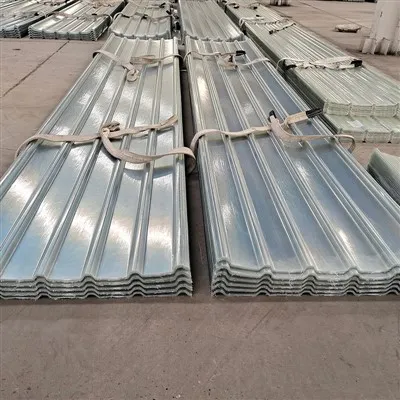
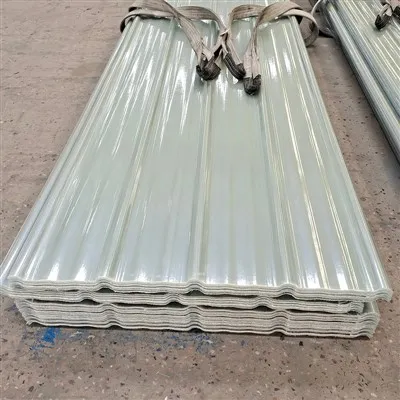
First off, let's talk about what translucent fiberglass panels are. These panels are made from a combination of fiberglass and resin, which gives them a unique set of properties. They're lightweight, strong, and have excellent light transmission capabilities, making them a popular choice for a variety of applications, including Industrial Roof Daylighting Panel, Frp Corrugated Roofing Sheet, Greenhouse Corrugated Fiberglass Panel, UV Resistant FRP Translucent Panel, and Fireproof FRP Translucent Panel.
Physical and Mechanical Properties
One of the most important standards for translucent fiberglass panels is their physical and mechanical properties. These include things like strength, stiffness, and impact resistance. The strength of a panel is typically measured in terms of its tensile strength, which is the maximum amount of stress a panel can withstand before breaking. For most applications, you'll want a panel with a tensile strength of at least 2000 psi.
Stiffness is another important property, as it determines how well a panel will resist bending and warping. This is usually measured in terms of the panel's modulus of elasticity, which is a measure of how much a panel will stretch or compress under a given load. A higher modulus of elasticity means a stiffer panel, which is generally better for applications where the panel will be subjected to heavy loads or stresses.
Impact resistance is also crucial, especially for applications where the panel may be exposed to potential impacts from falling objects or other sources. A panel with good impact resistance will be able to withstand these impacts without cracking or breaking, which helps to ensure its long-term durability and performance.
Light Transmission
Another key standard for translucent fiberglass panels is their light transmission properties. The amount of light that a panel can transmit is typically measured in terms of its light transmittance, which is expressed as a percentage. The higher the light transmittance, the more light the panel will allow to pass through.
For most applications, you'll want a panel with a light transmittance of at least 50%. However, the specific light transmittance requirements will depend on the application. For example, in industrial roofing applications, you may want a panel with a lower light transmittance to reduce glare and heat gain, while in greenhouse applications, you'll likely want a panel with a higher light transmittance to provide as much natural light as possible for plant growth.
In addition to light transmittance, it's also important to consider the panel's light diffusion properties. A panel that diffuses light evenly will help to reduce glare and create a more uniform lighting environment. This is especially important in applications where people will be working or spending a lot of time, such as in industrial buildings or commercial spaces.
Weather Resistance
Translucent fiberglass panels are often exposed to the elements, so weather resistance is a critical standard. This includes resistance to UV radiation, moisture, and temperature extremes.
UV resistance is particularly important, as prolonged exposure to UV rays can cause the panel to degrade, yellow, and lose its strength and light transmission properties over time. To ensure good UV resistance, many panels are coated with a special UV-resistant layer that helps to protect them from the harmful effects of UV radiation. For example, our UV Resistant FRP Translucent Panel is designed to withstand years of exposure to the sun without significant degradation.
Moisture resistance is also essential, as water can cause the panel to delaminate, warp, or develop mold and mildew. Panels should be designed to resist water penetration and be able to dry quickly if they do get wet.
Temperature resistance is another factor to consider. Translucent fiberglass panels should be able to withstand a wide range of temperatures without cracking, warping, or losing their structural integrity. This is especially important in regions with extreme weather conditions, where the panels may be exposed to both high and low temperatures throughout the year.
Fire Resistance
In some applications, fire resistance is a critical standard for translucent fiberglass panels. Fire-resistant panels are designed to slow down the spread of fire and reduce the risk of flames and smoke spreading through a building.
The fire resistance of a panel is typically measured using standard fire tests, such as the ASTM E84 test. This test measures the panel's surface burning characteristics, including its flame spread index and smoke development index. Panels that meet certain fire resistance ratings are often required in commercial buildings, industrial facilities, and other applications where fire safety is a concern. Our Fireproof FRP Translucent Panel is specifically engineered to meet or exceed these fire safety standards.
Chemical Resistance
Translucent fiberglass panels may also be exposed to various chemicals in certain applications, such as in industrial settings or chemical processing plants. Therefore, chemical resistance is an important consideration.
Panels should be able to resist the effects of common chemicals, such as acids, alkalis, and solvents, without becoming damaged or losing their performance properties. The chemical resistance of a panel will depend on the type of resin used in its construction, as well as any additional coatings or treatments applied to the panel.


Installation and Maintenance
Finally, it's important to consider the installation and maintenance requirements of translucent fiberglass panels. Panels should be easy to install, with clear instructions and compatible installation hardware. This helps to ensure that the panels are installed correctly, which is essential for their long-term performance and durability.
In terms of maintenance, translucent fiberglass panels are generally low-maintenance. However, they may require occasional cleaning to remove dirt, dust, and other debris. It's important to use the right cleaning products and methods to avoid damaging the panel's surface.
Well, there you have it - the main standards for translucent fiberglass panels. If you're in the market for these panels, I hope this information has been helpful. Whether you need panels for industrial roofing, greenhouse applications, or any other project, we've got you covered. If you have any more questions or are interested in learning more about our products, feel free to reach out. We're always happy to chat and help you find the right solution for your needs. So, don't hesitate to contact us for a consultation and let's start talking about your next project!
References
- ASTM International. (n.d.). Standard Test Method for Surface Burning Characteristics of Building Materials. (ASTM E84).
- Composites Fabricators Association. (n.d.). Technical Resources for Fiberglass Composites.
- The Society of Plastics Engineers. (n.d.). Plastics Industry Technical Information.