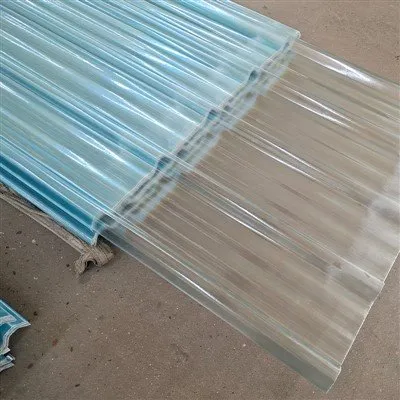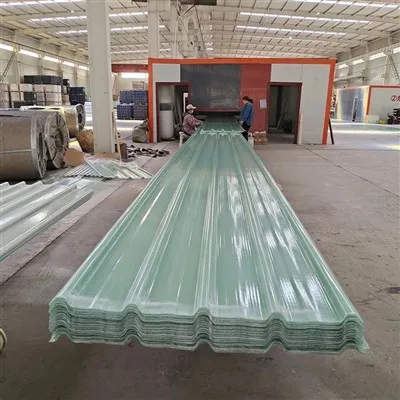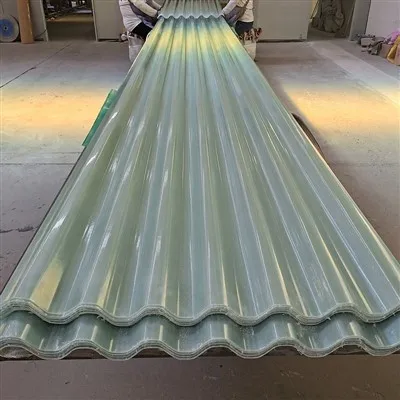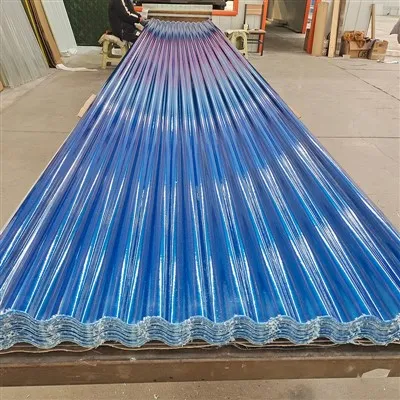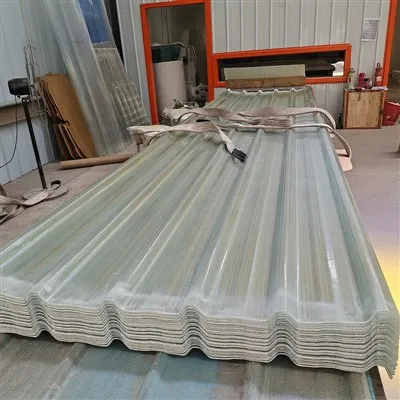
Broadly speaking, molding methods fall into two major categories: wet contact molding and dry compression molding. When classified by process characteristics, they include hand lay-up, lamination, RTM (Resin Transfer Molding), pultrusion, compression molding, filament winding, and others. Hand lay-up itself encompasses several variations: the standard hand lay-up method, bag molding, spray-up, wet lay-up/low-pressure molding, and moldless hand lay-up.
Globally, the four most widely utilized molding methods are as follows:
Hand Lay-up [1]: Primarily used in countries such as Norway, Japan, the United Kingdom, and Denmark.
Spray-up: Primarily used in countries such as Sweden, the United States, and Norway.
Compression Molding: Primarily used in countries such as Germany.
RTM (Resin Transfer Molding): Primarily used across Europe, the Americas, and Japan.
Other methods include filament winding, pultrusion, hot-press injection molding, and so forth.
In my country, over 90% of FRP (Fiber Reinforced Polymer) products are manufactured using the hand lay-up method, while other methods-such as filament winding and lamination-account for the remainder. In Japan, hand lay-up still accounts for 50% of production. A global perspective reveals that hand lay-up continues to hold a significant share of the market, demonstrating its enduring vitality. The defining characteristics of the hand lay-up method are its use of wet-state resins for molding, its reliance on simple equipment, its low cost, and its capability to produce large, monolithic products-exceeding 10 meters in length-in a single operation.