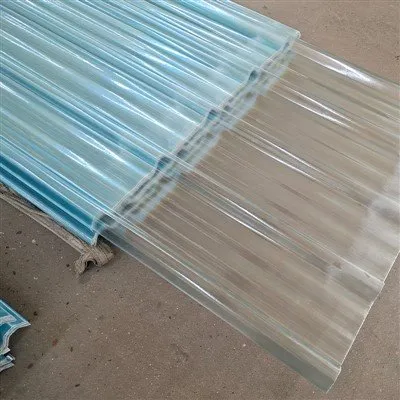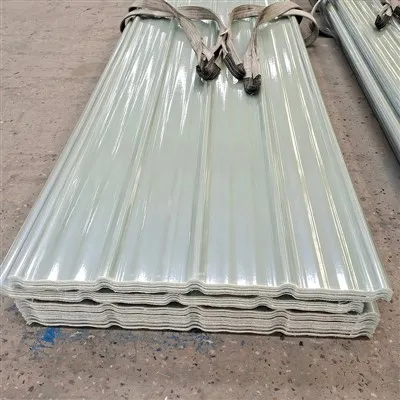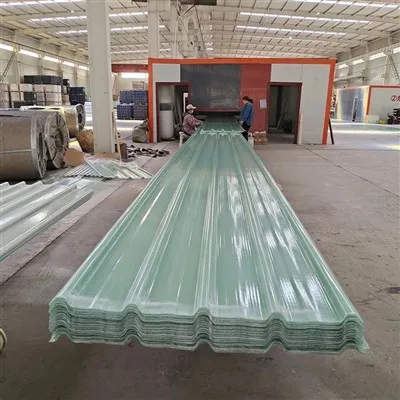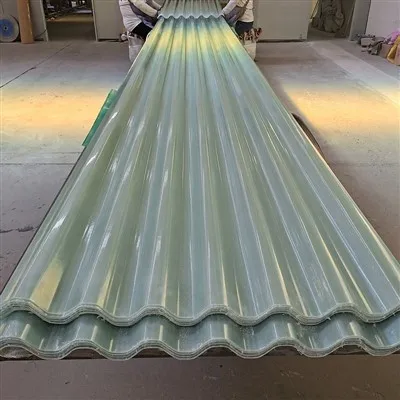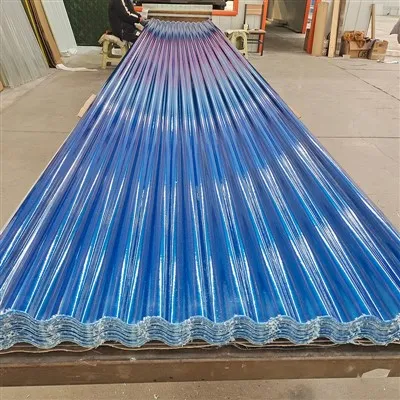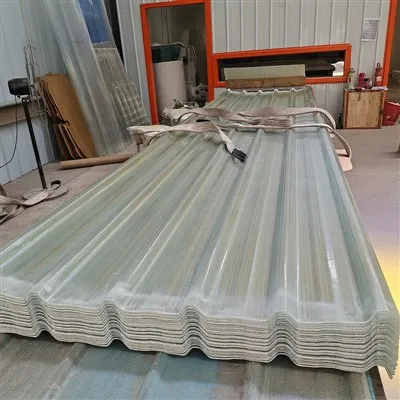
The concept of a "composite material" refers to a situation where a single material cannot satisfy specific performance requirements; consequently, two or more materials are combined to create a new material that meets those demands-hence, a composite material. For instance, while glass fibers alone possess high tensile strength, they exist as a loose aggregate; they can withstand tensile forces but are unable to bear bending, shear, or compressive stresses, nor can they easily be formed into fixed geometric shapes, remaining instead as a soft, pliable mass. However, if these fibers are bonded together using a synthetic resin, they can be fabricated into a variety of rigid products with fixed shapes, capable of withstanding not only tensile stress but also bending, compressive, and shear stresses. This combination constitutes a glass-fiber-reinforced plastic-matrix composite material. Because its strength is comparable to that of steel-yet it also incorporates glass components-it exhibits properties characteristic of glass, such as specific luster, moldability, corrosion resistance, electrical insulation, and thermal insulation. Due to these glass-like attributes, the colloquial and easily understood name "Glass-Reinforced Plastic" (or *Boligang*) historically emerged. This term was coined in 1958 by Comrade Lai Jifa, the former Minister of the National Ministry of Building Materials Industry, and subsequently spread from the building materials sector to become a nationally recognized term.
Strictly speaking, the term "Glass-Reinforced Plastic" refers specifically to reinforced plastics in which glass fibers serve as the reinforcing agent and synthetic resins act as the binder-a category referred to internationally as "Glass Fiber Reinforced Plastics." With the advancement of my country's composite materials industry, the range of reinforcing agents used in plastic-matrix composites has expanded beyond glass fibers to include carbon fibers, boron fibers, aramid fibers, alumina fibers, and silicon carbide fibers, among others. Undoubtedly, the reinforced plastics produced using these novel fibers constitute a class of high-performance fiber-reinforced composite materials; consequently, the colloquial term "Glass-Reinforced Plastic" is no longer sufficiently broad to encompass this entire scope. Taking into account both the historical origins and the subsequent evolution of the field, the more comprehensive designation "Glass-Reinforced Composite Materials" is now generally adopted.