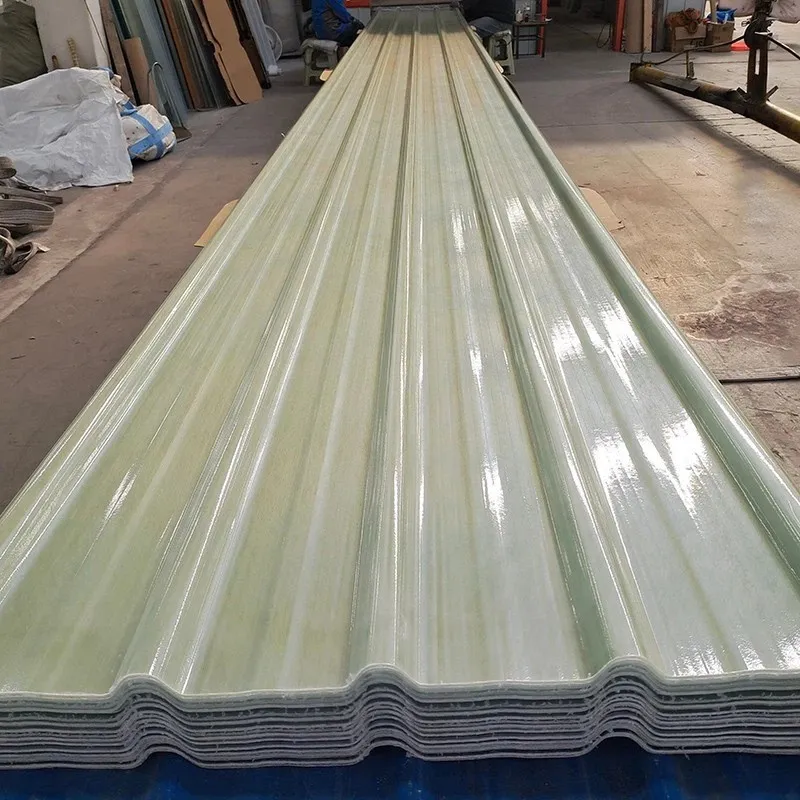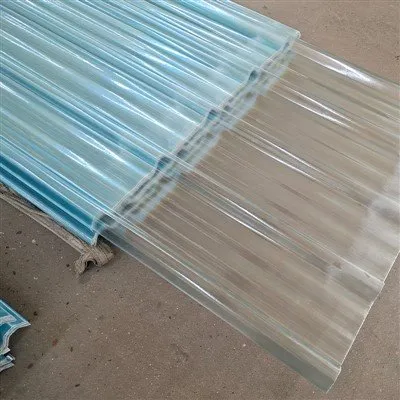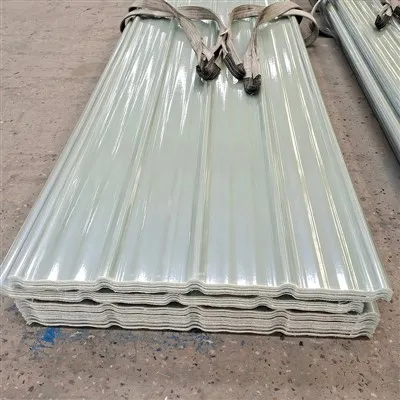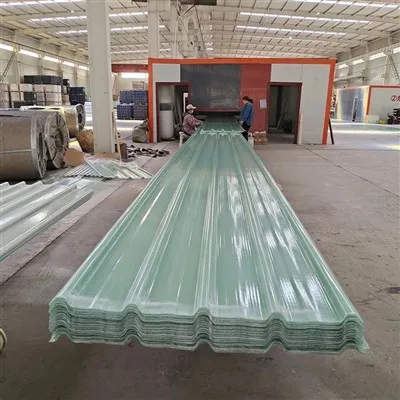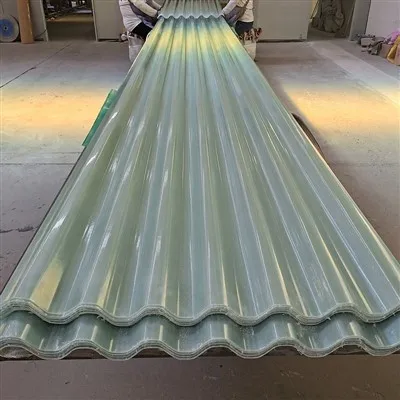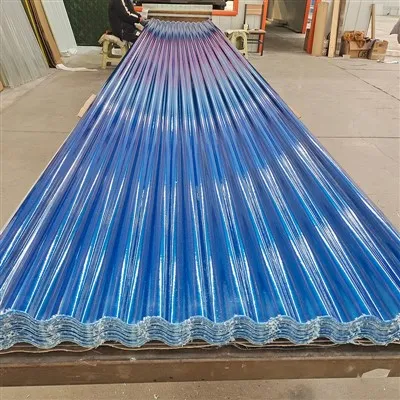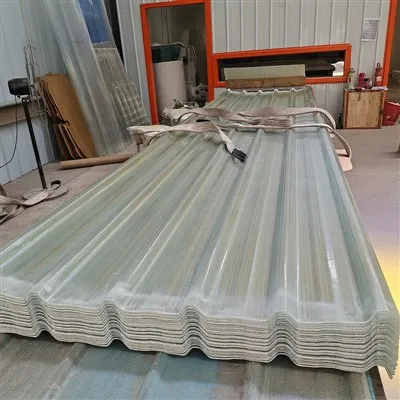
Greenhouse skylights are hollow polycarbonate (PC) sheets, also known as PC panels, primarily used in agricultural greenhouses, eco-restaurants, and building lighting. These sheets come in double-layer, four-layer, and honeycomb structures, with thicknesses ranging from 4-20 mm. They utilize PC raw materials from Bayer and SABIC, along with a UV-resistant layer. Other manufacturers use pure PC raw materials. Suitable for greenhouses, skylights, and other similar applications. Common colors include transparent, lake blue, and brown, with customization options available.
Their light transmittance can reach up to 89%, and their impact resistance is 250-300 times that of ordinary glass and 30 times that of acrylic sheets of the same thickness. They offer thermal insulation and UV protection, with insulation performance 7%-25% higher than comparable glass. The UV protection is achieved through a co-extrusion UV-resistant agent layer. Anti-fogging technology is implemented through a bottom anti-condensation treatment to guide water droplets away. During installation, the bending direction of the panels must be matched with the frame, and the front and back sides must be distinguished (the front is covered with a UV-resistant coating, and the inside is an anti-fogging layer). Before installation, the edges of the panels must be sealed with aluminum foil tape and then neutral silicone sealant must be used. Common specifications include a span of 8-12 meters and a column height of 4-6 meters.