
Hey there! As a supplier of cleanroom sandwich panels, I often get asked about how these panels impact the cleanroom's air exchange rate. It's a super important topic, especially for those who rely on cleanrooms for their operations, such as in the pharmaceutical, electronics, and food industries. In this blog, I'll break down the relationship between cleanroom sandwich panels and the air exchange rate, and why it matters.
What Are Cleanroom Sandwich Panels?
First off, let's quickly go over what cleanroom sandwich panels are. These panels are basically composite structures made up of two outer layers and a core material in between. The outer layers are usually made of materials like steel or aluminum, which provide strength and durability. The core material can vary, and it plays a crucial role in determining the panel's properties.
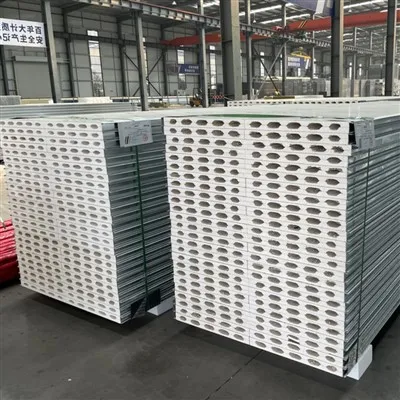
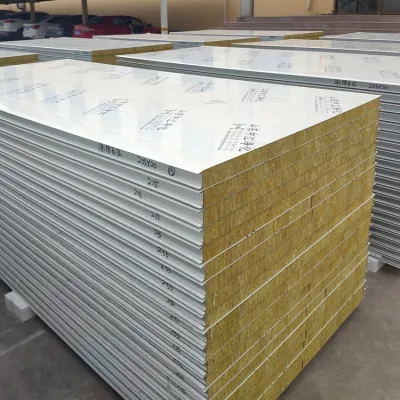
Some common core materials include rockwool, silica rock, and rock wool. You can check out more about Rockwool Cleanroom Sandwich Panel, Silica Rock Sandwich Panel, and Rock Wool Cleanroom Panel on our website.


The Importance of Air Exchange Rate in Cleanrooms
Before we dive into how the panels affect the air exchange rate, let's understand why the air exchange rate is so important in cleanrooms. The air exchange rate refers to the number of times the air in a cleanroom is completely replaced within an hour. A proper air exchange rate is crucial for maintaining the cleanliness and safety of the cleanroom environment.
In cleanrooms, contaminants like dust, bacteria, and chemical particles can have a significant impact on the products being manufactured or the experiments being conducted. A high air exchange rate helps to remove these contaminants from the air, reducing the risk of product contamination and ensuring the accuracy of scientific research.
How Cleanroom Sandwich Panels Affect the Air Exchange Rate
Insulation Properties
One of the key ways cleanroom sandwich panels affect the air exchange rate is through their insulation properties. Panels with good insulation can help to maintain a stable temperature and humidity inside the cleanroom. When the temperature and humidity are stable, the air handling system doesn't have to work as hard to adjust the air conditions. This means that the air exchange rate can be optimized more efficiently.
For example, if the panels have poor insulation, the air handling system may need to constantly heat or cool the air to maintain the desired temperature. This can lead to a higher air exchange rate than necessary, which can increase energy consumption and costs. On the other hand, well-insulated panels can reduce the load on the air handling system, allowing for a more controlled and efficient air exchange rate.
Air Leakage
Another important factor is air leakage. Cleanroom sandwich panels need to be properly installed to prevent air leakage. Even a small amount of air leakage can have a significant impact on the air exchange rate. If air is leaking in or out of the cleanroom through gaps in the panels, it can disrupt the balance of the air handling system and lead to an inconsistent air exchange rate.
To minimize air leakage, it's important to choose high-quality panels and ensure that they are installed correctly. Our cleanroom sandwich panels are designed to have tight seals and joints, which helps to prevent air leakage and maintain a consistent air exchange rate.
Airflow Resistance
The design and construction of the cleanroom sandwich panels can also affect the airflow resistance within the cleanroom. Panels with a smooth surface and proper ventilation channels can allow for better airflow, reducing the resistance and improving the air exchange rate.
For instance, if the panels have a rough surface or are not properly designed, they can create turbulence in the airflow, which can increase the resistance and make it more difficult for the air to circulate. This can result in a lower air exchange rate and potentially lead to uneven distribution of air within the cleanroom.
Benefits of Optimizing the Air Exchange Rate with Cleanroom Sandwich Panels
Improved Cleanliness
By optimizing the air exchange rate with the right cleanroom sandwich panels, you can significantly improve the cleanliness of the cleanroom environment. A higher and more consistent air exchange rate helps to remove contaminants from the air more effectively, reducing the risk of product contamination and ensuring a safer working environment.
Energy Efficiency
As mentioned earlier, well-insulated panels can reduce the load on the air handling system, leading to lower energy consumption. This not only helps to save on energy costs but also makes the cleanroom more environmentally friendly.
Cost Savings
In addition to energy savings, optimizing the air exchange rate can also lead to cost savings in other areas. For example, by maintaining a stable and clean environment, you can reduce the risk of product defects and rework, which can save you money in the long run.
How to Choose the Right Cleanroom Sandwich Panels for Your Air Exchange Needs
When choosing cleanroom sandwich panels, there are a few things to consider to ensure that they meet your air exchange requirements.
Insulation R-Value
The insulation R-value is a measure of the panel's ability to resist heat transfer. A higher R-value means better insulation. Look for panels with a high R-value to help maintain a stable temperature and humidity inside the cleanroom, which can optimize the air exchange rate.
Air Leakage Rating
Check the air leakage rating of the panels. Panels with a low air leakage rating are better at preventing air from leaking in or out of the cleanroom, which can help to maintain a consistent air exchange rate.
Design and Construction
Consider the design and construction of the panels. Look for panels with a smooth surface and proper ventilation channels to ensure good airflow and reduce airflow resistance.
Conclusion
In conclusion, cleanroom sandwich panels play a crucial role in determining the cleanroom's air exchange rate. By choosing the right panels with good insulation, low air leakage, and proper design, you can optimize the air exchange rate, improve the cleanliness of the cleanroom, and save on energy costs.
If you're in the market for cleanroom sandwich panels and want to learn more about how they can affect your cleanroom's air exchange rate, or if you have any questions about our products, don't hesitate to reach out. We're here to help you find the best solution for your cleanroom needs.
References
- [Cleanroom Design and Operation: Principles and Practices](Author, Year)
- [Airflow Management in Cleanrooms](Author, Year)
- [Insulation Materials for Cleanrooms](Author, Year)