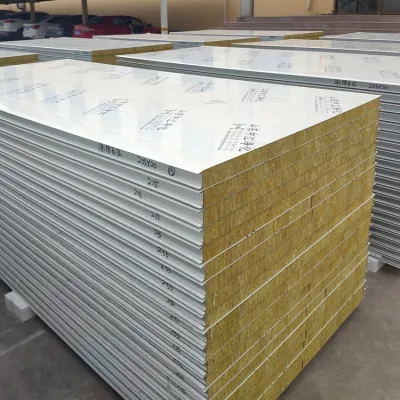

How thick is the Rockwool layer in Rockwool Cleanroom Sandwich Panel?
As a supplier of Rockwool Cleanroom Sandwich Panels, I often receive inquiries about the appropriate thickness of the rockwool layer in these panels. The thickness of the rockwool layer is a critical factor that significantly impacts the performance and functionality of the cleanroom sandwich panels. In this blog, I will delve into the various aspects related to the thickness of the rockwool layer and provide valuable insights for those considering using these panels in their cleanroom projects.
Factors Influencing the Thickness of the Rockwool Layer
The thickness of the rockwool layer in Rockwool Cleanroom Sandwich Panels is determined by several key factors. One of the primary considerations is the insulation requirements of the cleanroom. Cleanrooms are designed to maintain a specific temperature and humidity level, and the rockwool layer plays a crucial role in providing thermal insulation. A thicker rockwool layer generally offers better insulation properties, reducing heat transfer and helping to maintain a stable environment within the cleanroom.
Another important factor is the fire resistance of the panels. Rockwool is known for its excellent fire-resistant properties, and a thicker rockwool layer can enhance the fire safety of the cleanroom. In cleanrooms where fire protection is a top priority, such as in pharmaceutical or electronic manufacturing facilities, a thicker rockwool layer may be required to meet the relevant fire safety standards.


The acoustic performance of the cleanroom is also influenced by the thickness of the rockwool layer. Rockwool has good sound absorption properties, and a thicker layer can help to reduce noise levels within the cleanroom. This is particularly important in cleanrooms where noise can interfere with sensitive equipment or processes.
The structural integrity of the panels is another consideration. A thicker rockwool layer can provide additional strength and support to the sandwich panels, making them more resistant to damage and deformation. This is especially important in cleanrooms where the panels may be subjected to mechanical stress or impact.
Common Thicknesses of Rockwool Layers
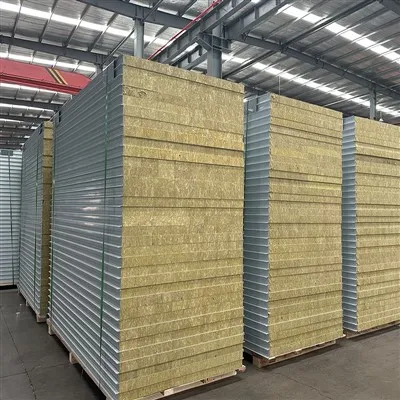
The thickness of the rockwool layer in Rockwool Cleanroom Sandwich Panels can vary depending on the specific requirements of the cleanroom. Common thicknesses range from 50mm to 150mm, with 75mm and 100mm being the most frequently used.
A 50mm thick rockwool layer is suitable for cleanrooms with relatively low insulation and fire resistance requirements. It provides basic thermal insulation and some fire protection, but may not be sufficient for more demanding applications.
A 75mm thick rockwool layer offers improved insulation and fire resistance compared to the 50mm layer. It is commonly used in cleanrooms where moderate insulation and fire safety are required, such as in some laboratory or light manufacturing facilities.
A 100mm thick rockwool layer provides even better insulation and fire resistance. It is often used in cleanrooms where high levels of insulation and fire protection are necessary, such as in pharmaceutical or semiconductor manufacturing facilities.
For cleanrooms with extremely high insulation and fire resistance requirements, a 150mm thick rockwool layer may be used. This thickness provides the highest level of thermal insulation and fire protection, but it also comes with a higher cost.
Choosing the Right Thickness
When choosing the thickness of the rockwool layer in Rockwool Cleanroom Sandwich Panels, it is important to consider the specific requirements of the cleanroom. Factors such as insulation, fire resistance, acoustic performance, and structural integrity should be carefully evaluated.
It is also advisable to consult with a professional cleanroom designer or engineer. They can assess the specific needs of the cleanroom and recommend the appropriate thickness of the rockwool layer based on factors such as the size of the cleanroom, the type of processes carried out, and the local building codes and regulations.
In addition to the thickness of the rockwool layer, other factors such as the quality of the rockwool, the type of facing materials, and the installation method can also affect the performance of the cleanroom sandwich panels. Therefore, it is important to choose a reputable supplier who can provide high-quality panels and professional installation services.
Other Types of Cleanroom Sandwich Panels
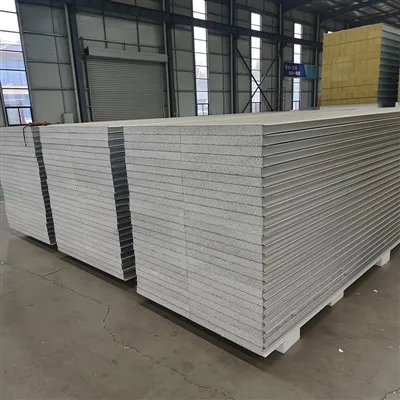
In addition to Rockwool Cleanroom Sandwich Panels, there are other types of cleanroom sandwich panels available in the market. For example, the Hollow MGO Cleanroom Panel offers good insulation and fire resistance properties, and is often used in cleanrooms where a lightweight and cost-effective solution is required. The Silica Rock Sandwich Panel is another option, which provides excellent thermal insulation and fire protection.
Each type of cleanroom sandwich panel has its own advantages and disadvantages, and the choice of panel depends on the specific requirements of the cleanroom. It is important to carefully evaluate the different options and choose the panel that best meets the needs of the project.
Conclusion
The thickness of the rockwool layer in Rockwool Cleanroom Sandwich Panels is a critical factor that affects the performance and functionality of the panels. By considering factors such as insulation, fire resistance, acoustic performance, and structural integrity, and consulting with a professional, you can choose the appropriate thickness of the rockwool layer for your cleanroom project.
If you are interested in purchasing Rockwool Cleanroom Sandwich Panels or other types of cleanroom sandwich panels, please feel free to contact us. We are a leading supplier of high-quality cleanroom sandwich panels and can provide you with professional advice and solutions. Visit our website at Rock Wool Cleanroom Panel to learn more about our products and services.
References
- Building and Construction Research Institute. (20XX). Guidelines for Cleanroom Design and Construction.
- International Organization for Standardization. (20XX). ISO 14644 - Cleanrooms and associated controlled environments.