
As a supplier of polycarbonate corrugated sheets, I've received tons of questions from customers about how these sheets hold up in windy conditions. Well, let me tell you, it's a topic that's super important, especially for those looking to use these sheets for roofing, greenhouses, or industrial applications.
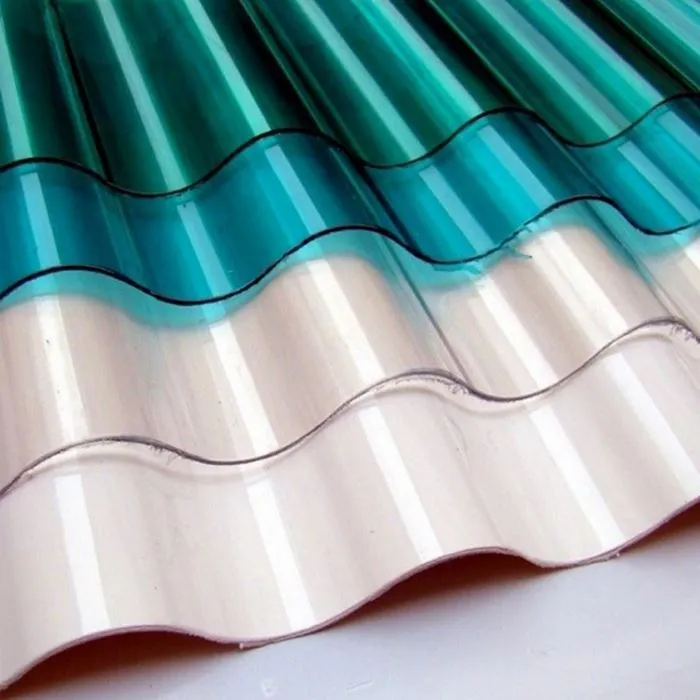
First off, let's talk about what makes polycarbonate corrugated sheets so special. Polycarbonate is a strong, lightweight thermoplastic. The corrugated design gives it extra strength and rigidity. This combination is what makes it a great choice for various projects, even in areas prone to strong winds.
Structural Integrity in Windy Conditions
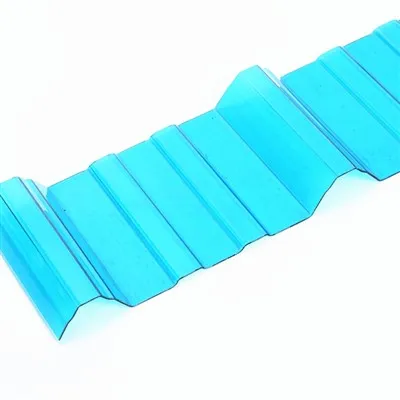
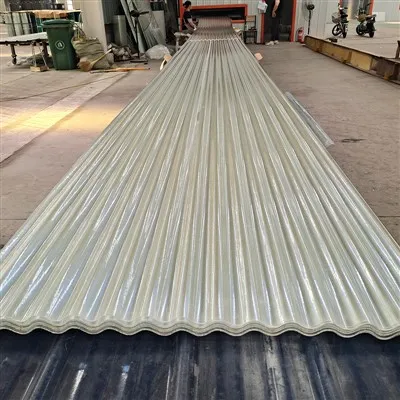
One of the key factors in how polycarbonate corrugated sheets perform in windy conditions is their structural integrity. The corrugated shape acts like a series of small arches, which helps distribute the force of the wind evenly across the sheet. This is way better than a flat sheet, which would be more likely to buckle or tear under high wind pressure.
For example, if you're using PC Corrugated Wave Roof Sheet for your home's roof, the corrugations help channel the wind over the surface, reducing the risk of uplift. Uplift is a big problem in windy areas because it can cause the roofing material to be ripped off. With the right installation and the inherent strength of the corrugated design, these sheets can withstand quite a bit of wind.
Flexibility and Impact Resistance
Another great thing about polycarbonate is its flexibility. Unlike some other roofing materials, polycarbonate can bend a little without breaking. This is really useful in windy conditions because it allows the sheets to absorb the energy of the wind gusts. When a strong gust hits, the sheet can flex slightly, and then return to its original shape once the wind dies down.
This flexibility also contributes to the sheet's impact resistance. In windy conditions, there's often a risk of debris being carried by the wind and hitting the sheets. Polycarbonate corrugated sheets can handle these impacts without cracking or shattering. So, if a small branch or a piece of gravel gets caught in the wind and smacks into the sheet, it's likely to just bounce off without causing any major damage.
Installation and Wind Resistance
Proper installation is crucial when it comes to ensuring that polycarbonate corrugated sheets perform well in windy conditions. The sheets need to be securely fastened to the underlying structure. This usually involves using special screws or clips that are designed to hold the sheets in place.
If you're using Polycarbonate Roofing Tile, make sure the tiles are overlapping correctly and are tightly secured. Any gaps or loose parts can create weak spots where the wind can get under the sheets and cause problems.
Also, the spacing between the supports is important. If the supports are too far apart, the sheets may sag or flex too much under the wind load, which can lead to damage over time. So, it's essential to follow the manufacturer's guidelines for installation to get the best performance in windy conditions.
UV Protection and Long - Term Performance
Many polycarbonate corrugated sheets, like the UV Protected PC Roofing Sheet, come with UV protection. This is important not only for protecting the sheets from the sun's harmful rays but also for maintaining their performance in windy conditions over the long term.
UV rays can degrade the polycarbonate material, making it more brittle and less able to withstand wind stress. With UV protection, the sheets stay strong and flexible, ensuring that they can continue to perform well in windy conditions for years to come.
Applications in Different Wind Zones
Polycarbonate corrugated sheets are used in a wide range of applications, from residential roofing to industrial buildings and greenhouses. In areas with mild winds, these sheets can be used for a variety of projects without much concern. For example, a Greenhouse Corrugated Polycarbonate Sheet can provide a great environment for plants while still being able to handle normal wind conditions.
However, in areas with high - wind zones, such as coastal regions or areas prone to hurricanes, special considerations need to be taken. In these cases, Industrial PC Corrugated Sheet may be a better choice. These sheets are often thicker and more robust, designed to withstand the extreme wind forces associated with these areas.
Maintenance and Wind - Related Issues
Even though polycarbonate corrugated sheets are pretty durable in windy conditions, they still require some maintenance. Regularly inspect the sheets for any signs of damage, such as cracks, holes, or loose fasteners. If you find any issues, it's important to address them as soon as possible to prevent further damage.
In the event of a severe windstorm, it's a good idea to do a thorough inspection once the storm has passed. Look for any signs of uplift, warping, or other wind - related damage. If necessary, make any repairs or replacements to ensure the continued performance of the sheets.

Conclusion
In conclusion, polycarbonate corrugated sheets perform quite well in windy conditions thanks to their structural integrity, flexibility, impact resistance, and UV protection. Whether you're using them for a small greenhouse or a large industrial building, these sheets can provide reliable protection against the wind.
However, proper installation, maintenance, and choosing the right type of sheet for your specific wind conditions are all important factors. If you're considering using polycarbonate corrugated sheets for your project, I'd be more than happy to help you choose the right product and provide advice on installation and maintenance. Don't hesitate to reach out to start a discussion about your project needs.
References
- Smith, J. (2020). Polycarbonate Materials in Construction. Construction Journal.
- Brown, A. (2019). Wind Resistance of Roofing Materials. Building Science Review.