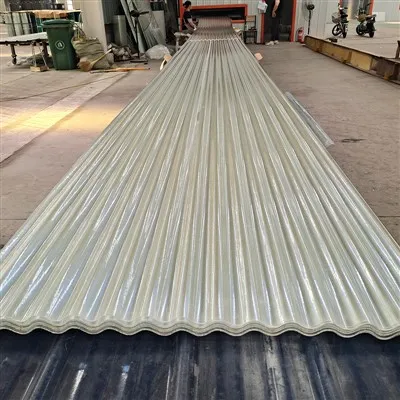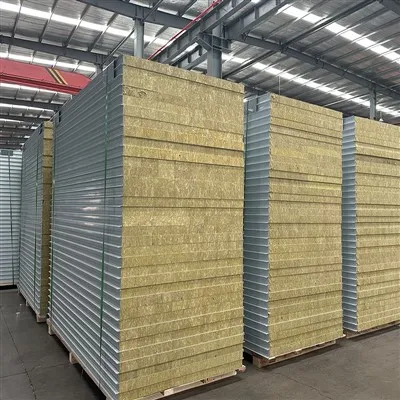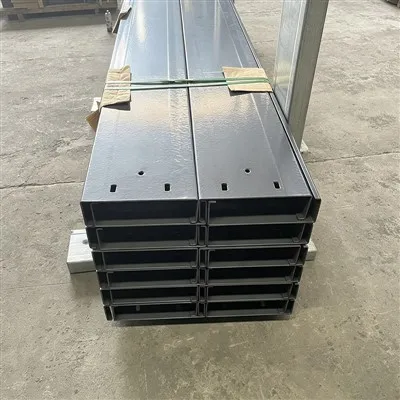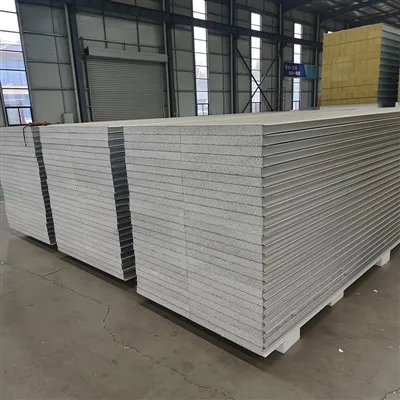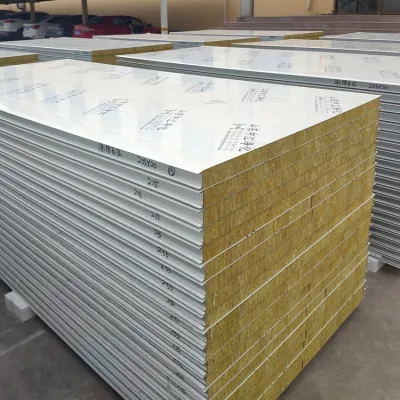

In the high - stakes world of cleanrooms, getting the right equipment to play well together is super important. As a supplier of Rock Wool Cleanroom Panel, I've seen firsthand how these panels interact with other cleanroom gear. Let's break it down and see how they all fit into the big cleanroom picture.
1. Air Filtration Systems
Air filtration is the heart of a cleanroom. We all know that keeping the air free from dust, microbes, and other contaminants is a must. Rock wool cleanroom panels are a great buddy to the air filters.


These panels have excellent insulation properties. They help maintain a stable temperature within the cleanroom. And here's why it matters for air filtration. When the temperature is stable, the air filtration system doesn't have to work as hard to regulate the air. The filters can focus on what they're really good at - catching those tiny particles.
For example, in a pharmaceutical cleanroom, where even the tiniest contaminant can mess up the entire production process, a stable temperature helped by the rock wool panels ensures that the HEPA or ULPA filters can operate at their peak. The panels create a kind of shield around the working area, reducing the influence of external temperature fluctuations on the air inside. This way, the air filtration system doesn't have to fight against constantly changing conditions and can keep the air clean and pure.
2. HVAC Systems
The Heating, Ventilation, and Air Conditioning (HVAC) system is another key player in the cleanroom environment. Rock wool cleanroom panels work hand - in - hand with HVAC systems to control the cleanroom's climate.
The insulation in the Rockwool Cleanroom Sandwich Panel reduces the heat transfer between the cleanroom and the outside. This means that the HVAC system doesn't have to use as much energy to heat or cool the space. It's like having a thick winter coat that keeps you warm without having to turn up the heater too high.
In a semiconductor cleanroom, where precise temperature and humidity control are crucial for the manufacturing process, the rock wool panels help the HVAC system maintain the right conditions. They act as a buffer, absorbing and storing heat, so the HVAC can make smaller, more precise adjustments. This not only saves energy but also extends the lifespan of the HVAC equipment by reducing the wear and tear caused by constant, drastic temperature changes.
3. Flooring Systems
The flooring in a cleanroom is not just for walking on. It plays an important role in maintaining a clean and static - free environment. Rock wool cleanroom panels and proper flooring systems need to be in sync.
Most cleanroom floors are designed to be antistatic. They prevent the build - up of static electricity, which can attract dust and damage sensitive electronic components. The panels, when installed properly, create a sealed environment that works with the flooring. For example, the joint between the wall panels and the floor should be airtight to prevent dust from sneaking in from the edges.
In an electronics cleanroom, the combination of rock wool panels and antistatic flooring helps to create a low - particulate, static - free workspace. The panels act as vertical barriers, while the flooring takes care of the horizontal surface, working together to keep the entire cleanroom environment under control.
4. Lighting Systems
Good lighting is essential in a cleanroom to ensure accurate work and easy inspection. Rock wool cleanroom panels also have an impact on the lighting system.
These panels are usually white or light - colored on the inner surface. This color reflects light, which means that fewer light fixtures are needed to achieve the same level of illumination. It's like having a big, bright mirror on the walls that bounces the light around.
In a food processing cleanroom, proper lighting is necessary to detect any foreign objects or contaminants in the products. The light - reflecting property of the rock wool panels helps to evenly distribute light throughout the room, reducing shadows and making it easier for workers to spot any issues. This not only improves the quality control process but also saves on energy costs by reducing the number of light bulbs needed.
5. Cleanroom Furniture
Cleanroom furniture, such as workbenches and storage cabinets, needs to fit well with the overall cleanroom setup. Rock wool cleanroom panels provide a stable foundation for this furniture.
The panels are sturdy and can support the weight of heavy furniture. Also, they create a clean and smooth surface for the furniture to be placed against. This helps in maintaining a hygienic environment as there are no rough edges or gaps where dust can accumulate.
In a medical device cleanroom, where sterility is of the utmost importance, the interaction between the panels and the furniture is crucial. The panels ensure that the furniture is installed in a way that is easy to clean and doesn't create any hidden areas for bacteria or dust to hide.
6. Fire Suppression Systems
Fire safety is a major concern in cleanrooms. Rock wool cleanroom panels are a crucial part of the fire protection strategy in a cleanroom, and they interact closely with fire suppression systems.
Rock wool is a non - combustible material. It can withstand high temperatures without catching fire. In case of a fire, the panels act as a barrier, preventing the fire from spreading quickly through the cleanroom. This gives the fire suppression systems, such as sprinklers or gas - based extinguishers, more time to work.
In a chemical cleanroom, where flammable substances are often present, the fire - resistant property of the rock wool panels is a lifesaver. They slow down the progress of the fire, allowing the fire suppression system to kick in and extinguish the flames before the situation gets out of control.
Connecting the Dots
As you can see, Rock Wool Cleanroom Panel is like the glue that holds a cleanroom together. It interacts with all kinds of other cleanroom equipment to create a safe, clean, and efficient working environment. Whether it's helping the air filtration system, saving energy for the HVAC, or working with the flooring, these panels are an essential part of the equation.
If you're in the market for cleanroom equipment and are considering Rockwool Cleanroom Sandwich Panel, Silica Rock Sandwich Panel, or Hollow MGO Cleanroom Panel, I'd love to talk to you. We can discuss how these panels can work best with your existing or planned cleanroom setup. Don't hesitate to reach out for a chat about procurement and how we can make your cleanroom the best it can be.
References
- Cleanroom Technology Handbook, various authors
- Journal of Cleanroom Science and Technology, multiple issues
- Industry reports on cleanroom equipment and materials