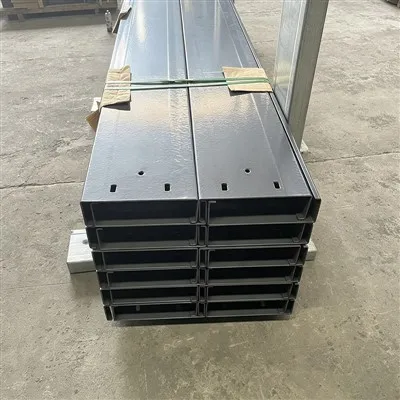

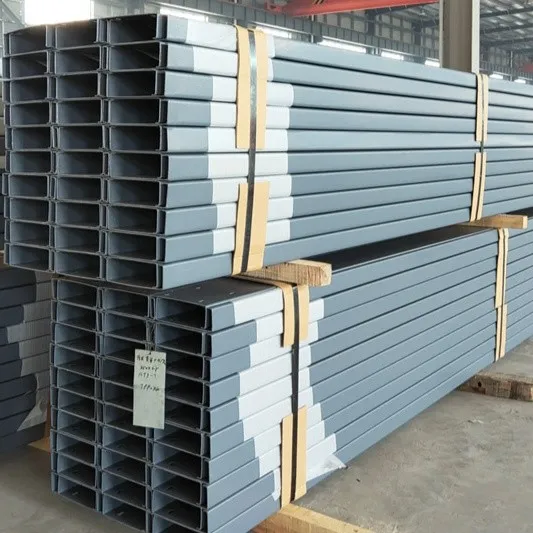
As a supplier of Powder Coated Anti Corrosive C Purlin, ensuring the quality of our products is of utmost importance. In this blog post, I will share some key methods and considerations for inspecting the quality of powder coated anti - corrosive C purlins.
I. Visual Inspection
The first step in the quality inspection process is a simple yet crucial visual check. This inspection can reveal a great deal about the overall quality of the powder coated anti - corrosive C purlin.
A. Surface Finish
- Smoothness: The surface of the powder coated C purlin should be smooth to the touch. Any roughness, bumps, or ridges could indicate problems during the powder coating process, such as uneven powder application or improper curing. For example, if the powder is not evenly distributed during electrostatic spraying, it may result in areas with a thicker or thinner coating, leading to an uneven surface.
- Color Consistency: The color of the powder coating should be consistent throughout the entire length of the C purlin. Variations in color can be a sign of issues with the powder mixing, improper spraying parameters, or inconsistent curing temperatures. A supplier like us takes great care to ensure that each batch of Powder Coated C Section Steel Purlin has a uniform color.
B. Coating Integrity
- No Cracks or Chips: Inspect the surface for any visible cracks, chips, or peeling of the powder coating. These defects can expose the underlying metal to the environment, reducing the anti - corrosive properties of the purlin. Cracks may occur due to excessive stress during handling or improper curing, while chips can be caused by impacts during transportation or installation.
- Edge Coverage: Pay special attention to the edges of the C purlin. The powder coating should cover the edges completely, as these areas are more prone to corrosion. Incomplete edge coverage can be a result of improper spraying techniques or the design of the spraying equipment.
II. Dimensional Inspection
Accurate dimensions are essential for the proper installation and performance of powder coated anti - corrosive C purlins.
A. Overall Dimensions
- Length: Measure the length of the C purlin using a calibrated measuring tool, such as a tape measure or a laser distance meter. The length should conform to the specified requirements. Deviations in length can cause problems during installation, such as gaps or misalignments.
- Width and Height: Similarly, measure the width and height of the C purlin at multiple points along its length. These dimensions should be within the specified tolerance range. Any significant variations in width or height can affect the structural integrity of the building where the purlins are used.
B. Thickness
- Coating Thickness: Use a coating thickness gauge to measure the thickness of the powder coating. The coating thickness is critical for the anti - corrosive performance of the C purlin. A too - thin coating may not provide sufficient protection, while a too - thick coating can lead to issues such as cracking or poor adhesion. The ideal coating thickness can vary depending on the application and environmental conditions.
- Metal Thickness: In addition to the coating thickness, it is also important to measure the thickness of the underlying metal. The metal thickness affects the strength and durability of the C purlin. Use a micrometer or a caliper to measure the metal thickness at different locations on the purlin.
III. Adhesion Testing
The adhesion of the powder coating to the metal surface is a key factor in determining the long - term anti - corrosive performance of the C purlin.
A. Cross - Hatch Test
- Procedure: Use a sharp blade to make a series of parallel cuts in the powder coating, approximately 1mm apart, in two perpendicular directions, creating a grid pattern. Then, apply a piece of adhesive tape firmly over the grid and quickly pull it off at a 90 - degree angle.
- Evaluation: Examine the grid area on the purlin to see if any of the powder coating has adhered to the tape. If more than a small percentage of the coating is removed, it indicates poor adhesion. Poor adhesion can be caused by improper surface preparation, such as insufficient cleaning or degreasing of the metal surface before powder coating.
B. Impact Test
- Procedure: Use an impact tester to strike the powder - coated surface of the C purlin with a specified amount of force. The impact tester typically consists of a weight that is dropped from a certain height onto the surface.
- Evaluation: After the impact, inspect the area around the impact point for any signs of coating delamination or cracking. If the coating remains intact and shows no signs of damage, it indicates good adhesion and resistance to impact.
IV. Chemical Resistance Testing
Since powder coated anti - corrosive C purlins are often exposed to various chemicals in different environments, it is important to test their chemical resistance.
A. Salt Spray Test
- Procedure: Place the C purlin samples in a salt spray chamber, where they are exposed to a salt - water mist for a specified period of time. The salt - water mist simulates the corrosive effects of a marine or industrial environment.
- Evaluation: After the test, inspect the samples for any signs of corrosion, such as rust spots or blistering of the powder coating. A high - quality Corrosion Resistant Powder Coated C Steel should show minimal signs of corrosion after a long - term salt spray test.
B. Acid and Alkali Resistance Test
- Procedure: Apply small amounts of acid or alkali solutions to the powder - coated surface of the C purlin and leave them in contact for a certain period of time. Then, rinse the surface with water and dry it.
- Evaluation: Inspect the surface for any signs of damage, such as discoloration, swelling, or loss of adhesion. The powder coating should be able to withstand the exposure to common acids and alkalis without significant damage.
V. Mechanical Property Testing
The mechanical properties of the powder coated anti - corrosive C purlin are also important for its performance in a building structure.

A. Tensile Strength Test
- Procedure: Cut a sample from the C purlin and use a tensile testing machine to apply a gradually increasing tensile force until the sample breaks. Record the maximum force applied and calculate the tensile strength of the sample.
- Evaluation: The tensile strength of the C purlin should meet the specified requirements. A higher tensile strength indicates better resistance to pulling forces, which is important in structural applications.
B. Bending Test
- Procedure: Support the C purlin at two points and apply a load in the middle to bend it. Measure the amount of deflection and the maximum load that the purlin can withstand before it fails.
- Evaluation: The bending performance of the C purlin is crucial for its ability to support the weight of roofing materials and other loads. It should be able to withstand the expected loads without excessive deflection or failure.
VI. Conclusion
Inspecting the quality of powder coated anti - corrosive C purlins is a comprehensive process that involves visual inspection, dimensional measurement, adhesion testing, chemical resistance testing, and mechanical property testing. As a supplier, we are committed to ensuring that our Powder Coated Galvanized C Purlin and other products meet the highest quality standards.
If you are in the market for high - quality powder coated anti - corrosive C purlins, we invite you to contact us for a detailed discussion. We can provide you with samples for your own testing and offer professional advice on product selection and application. Let's work together to build reliable and durable structures.
References
- ASTM International. (20XX). Standard test methods for coating powders and powder coatings.
- ISO. (20XX). International standards for the quality control of steel structural members.