
As a supplier of cleanroom sandwich panels, I've witnessed firsthand the critical role that the ease of disassembly plays in various industries. Cleanroom sandwich panels are essential for creating controlled environments in sectors such as pharmaceuticals, electronics, and food processing. Understanding the ease of disassembly is not only crucial for maintenance and upgrades but also for cost - effectiveness and environmental sustainability.
What is the Ease of Disassembly of Cleanroom Sandwich Panels?
The ease of disassembly refers to how simply and efficiently cleanroom sandwich panels can be taken apart without causing significant damage to the panels themselves or the surrounding structure. This characteristic is determined by several factors, including the panel's design, the type of connection system used, and the materials employed.
Design Considerations
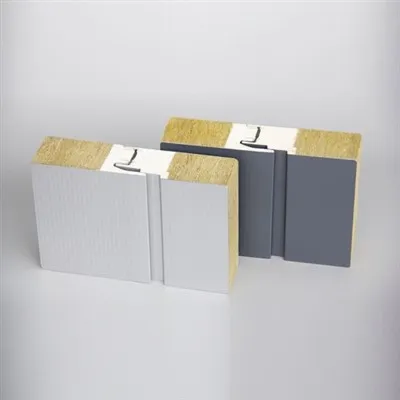
The design of cleanroom sandwich panels greatly impacts their disassembly ease. Panels with a modular design are generally easier to disassemble. Modular panels are pre - fabricated in standard sizes and shapes, allowing for quick and straightforward removal. For example, some panels are designed with a tongue - and - groove system. This system enables panels to be easily slotted together and separated. When disassembly is required, a simple prying or sliding motion can be used to detach the panels from one another.
Another design aspect is the internal structure of the panel. Panels with a more straightforward internal layout are easier to disassemble. For instance, if the insulation material inside the panel is not overly complexly integrated with the outer layers, it can be removed more easily during disassembly.
Connection Systems
The connection systems used in cleanroom sandwich panels are a key determinant of disassembly ease. There are several types of connection systems, each with its own advantages and disadvantages in terms of disassembly.
- Mechanical Fasteners: Panels connected with mechanical fasteners such as screws or bolts can be relatively easy to disassemble. These fasteners can be removed using common tools like screwdrivers or wrenches. However, the downside is that repeated removal and installation of these fasteners can cause wear and tear on the panel, potentially weakening its structure over time.
- Snap - Fit Connections: Snap - fit connections are designed to be easily engaged and disengaged. They offer a quick and tool - free way to assemble and disassemble panels. This type of connection is particularly useful in situations where frequent disassembly is required, such as for regular maintenance or reconfiguration of the cleanroom.
- Adhesive Connections: While adhesive connections provide a strong bond between panels, they can be more difficult to disassemble. Removing panels with adhesive connections often requires the use of solvents or heat to break the bond, which can be time - consuming and may damage the panels.
Materials
The materials used in cleanroom sandwich panels also affect their ease of disassembly. Different materials have different properties that can either facilitate or hinder the disassembly process.
- Metal Panels: Metal panels, such as those made of steel or aluminum, are relatively easy to disassemble. They are strong and durable, and the connection systems used with metal panels are often straightforward. For example, metal panels can be connected with mechanical fasteners that can be easily removed.
- Composite Panels: Composite panels, which are made of a combination of materials such as metal and insulation, can vary in terms of disassembly ease. If the composite materials are well - integrated and the connection system is designed for easy disassembly, the panels can be taken apart without much difficulty. However, if the materials are tightly bonded or the connection system is complex, disassembly can be more challenging.
Importance of Ease of Disassembly
Maintenance and Repairs
In a cleanroom environment, regular maintenance and repairs are essential to ensure the proper functioning of the facility. Ease of disassembly allows maintenance personnel to access the internal components of the panels quickly and easily. For example, if there is a problem with the insulation material inside a panel, easy disassembly enables the maintenance team to remove the panel, replace the insulation, and reinstall the panel without causing significant disruption to the cleanroom operations.
Upgrades and Reconfiguration
As technology advances and business needs change, cleanrooms often require upgrades and reconfigurations. Panels that are easy to disassemble can be removed and replaced with new panels more efficiently. This allows companies to adapt their cleanroom facilities to new processes or equipment without having to completely rebuild the entire structure.
Cost - Effectiveness
The ease of disassembly can also contribute to cost - effectiveness. When panels are easy to disassemble, the labor costs associated with maintenance, repairs, and reconfigurations are reduced. Additionally, if the panels can be reused after disassembly, it can save on the cost of purchasing new panels.
Environmental Sustainability
In today's world, environmental sustainability is a growing concern. Panels that are easy to disassemble can be recycled more effectively. The materials used in the panels can be separated and reused, reducing waste and the environmental impact of the cleanroom construction and operation.


Our Cleanroom Sandwich Panels and Disassembly Ease
As a supplier of cleanroom sandwich panels, we offer a variety of products designed with ease of disassembly in mind.
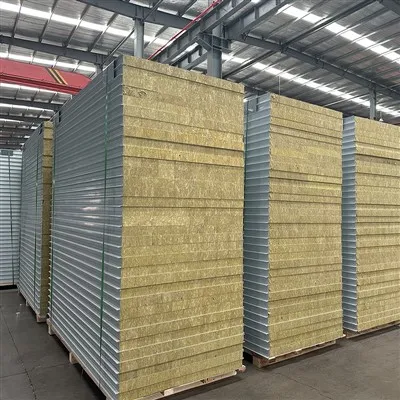
- Rock Wool Cleanroom Panel: Our rock wool cleanroom panels are constructed with a modular design and a snap - fit connection system. This makes them easy to assemble and disassemble, even in tight spaces. The rock wool insulation inside the panel is also easily removable, allowing for quick maintenance and repairs.
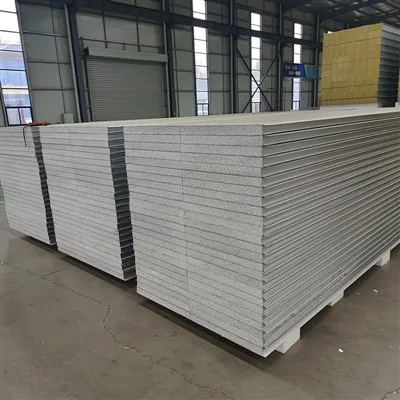
- Hollow MGO Cleanroom Panel: These panels feature a unique design that combines the strength of magnesium oxide with a hollow core. The connection system used in our hollow MGO cleanroom panels is a mechanical fastener system that can be easily removed using standard tools. This makes the panels ideal for situations where frequent disassembly is required.
- Rockwool Cleanroom Sandwich Panel: Our rockwool cleanroom sandwich panels are designed for maximum durability and ease of disassembly. The panels are connected using a tongue - and - groove system, which provides a secure fit while also allowing for easy separation. The rockwool insulation is well - integrated but can still be removed without causing damage to the panel.
- Silica Rock Sandwich Panel: Silica rock sandwich panels are known for their excellent thermal and acoustic insulation properties. Our silica rock sandwich panels are designed with a simple connection system that enables easy disassembly. The silica rock material inside the panel can be safely removed and recycled, contributing to environmental sustainability.
Conclusion
The ease of disassembly of cleanroom sandwich panels is a crucial factor that affects the maintenance, upgrades, cost - effectiveness, and environmental sustainability of cleanroom facilities. At our company, we understand the importance of this characteristic and have designed our products to be as easy to disassemble as possible. Whether you are looking for a panel for a new cleanroom construction or need to upgrade an existing facility, our range of cleanroom sandwich panels offers the perfect solution.
If you are interested in learning more about our cleanroom sandwich panels or would like to discuss your specific requirements, we invite you to contact us for a procurement consultation. Our team of experts is ready to assist you in finding the best panels for your cleanroom needs.
References
- Smith, J. (2018). Cleanroom Technology: Design, Construction, and Operation. Elsevier.
- Brown, A. (2020). The Importance of Ease of Disassembly in Building Materials. Journal of Sustainable Construction, 15(2), 123 - 135.
- Green, C. (2019). Advances in Cleanroom Sandwich Panel Design. International Journal of Cleanroom Science, 22(3), 201 - 210.