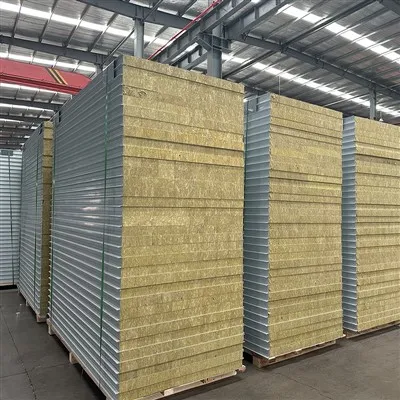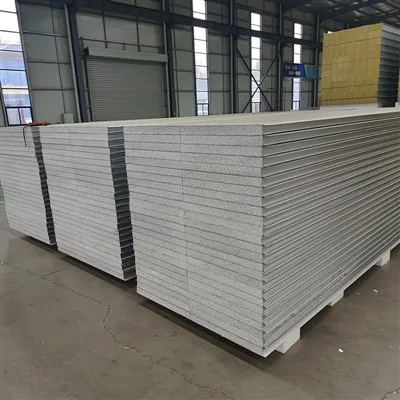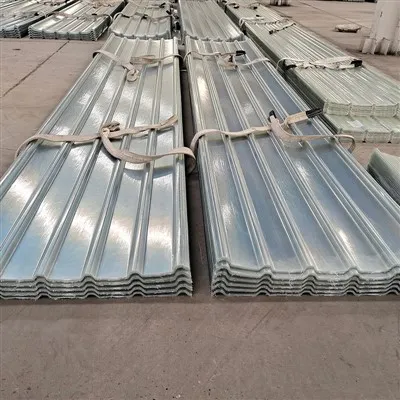

Hey there! As a supplier of PU Edge Sealing Rockwool Roof Panel, I often get asked about the weight of these panels per square meter. It's a crucial question, especially for those in the construction industry who need to plan their projects meticulously. So, let's dive right in and explore this topic in detail.
Understanding the Basics
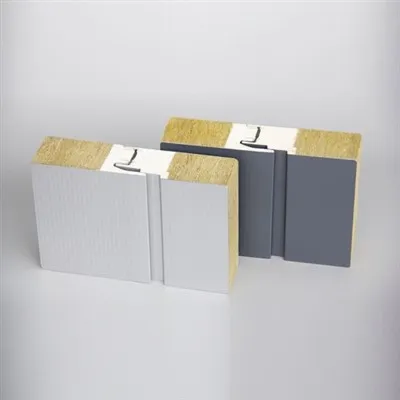
First off, let's talk about what PU Edge Sealing Rockwool Roof Panel is. It's an amazing building material that combines the excellent insulation properties of rockwool with the durability and sealing capabilities of polyurethane (PU). The rockwool core provides great thermal and acoustic insulation, while the PU edge sealing ensures that the panel is well - protected from moisture, dust, and other environmental factors. You can check out more about PU Edge Sealing Rockwool Sandwich Panel on our website.
Factors Affecting the Weight
The weight of a PU Edge Sealing Rockwool Roof Panel per square meter isn't a fixed value. It depends on several factors.
Rockwool Density
The density of the rockwool core is one of the most significant factors. Rockwool can come in different densities, usually ranging from 80 kg/m³ to 200 kg/m³. A higher - density rockwool core will make the panel heavier. For example, if you choose a rockwool with a density of 80 kg/m³, the panel will be lighter compared to one with a 200 kg/m³ rockwool core. This is because a denser rockwool has more material packed into a given volume, which directly adds to the weight of the panel.
Thickness of the Panel
The thickness of the panel also plays a big role. Thicker panels naturally weigh more. Common thicknesses for PU Edge Sealing Rockwool Roof Panels range from 50 mm to 200 mm. A 200 - mm thick panel will have a lot more material (both rockwool and the outer layers) than a 50 - mm thick one, so it will be much heavier per square meter.
Outer Layers
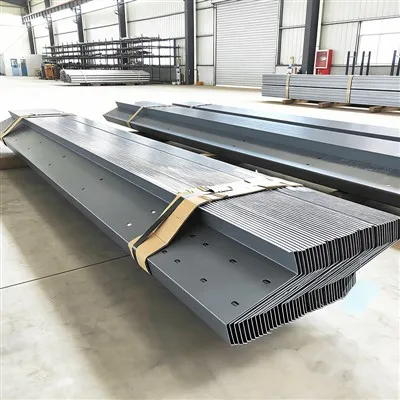
The type and thickness of the outer layers can also affect the weight. The outer layers are usually made of metal, such as steel or aluminum. Thicker metal sheets will increase the overall weight of the panel. Additionally, the coating on the metal sheets can add a small amount of weight as well.
Calculating the Weight
To give you a rough idea of how to calculate the weight per square meter, let's take an example. Suppose we have a PU Edge Sealing Rockwool Roof Panel with a rockwool core density of 100 kg/m³ and a thickness of 100 mm (or 0.1 m).
The volume of the rockwool core in one square meter of the panel is 1 m²×0.1 m = 0.1 m³.
The weight of the rockwool core alone is then 0.1 m³×100 kg/m³ = 10 kg.
Let's assume the outer metal layers and the PU edge sealing together add about 5 kg per square meter. So, the total weight of this panel per square meter would be approximately 10 kg + 5 kg = 15 kg.


However, keep in mind that this is just a simple example. In real - world scenarios, the actual weight can vary depending on the specific materials and manufacturing processes used.
Typical Weight Ranges
Based on our experience as a supplier, the weight of PU Edge Sealing Rockwool Roof Panels per square meter typically ranges from 10 kg to 30 kg. Panels with lower - density rockwool and thinner outer layers will be on the lower end of this range, while those with higher - density rockwool and thicker outer layers will be closer to the upper end.
Importance of Knowing the Weight
Knowing the weight of the panels per square meter is crucial for several reasons.
Structural Design
Architects and engineers need to know the weight to design the building's structure properly. The building's frame and foundation need to be able to support the weight of the roof panels. If the weight is underestimated, it can lead to structural problems down the road, which can be both dangerous and expensive to fix.
Transportation and Installation
The weight also affects transportation and installation. Heavier panels are more difficult and costly to transport. They may require special equipment and more manpower for installation. On the other hand, lighter panels are easier to handle, which can save time and money during the construction process.
Our Offerings
At our company, we offer a wide range of PU Edge Sealing Rockwool Roof Panel options. We can customize the density of the rockwool core, the thickness of the panel, and the type of outer layers according to your specific needs. Whether you need a lightweight panel for a small - scale project or a heavy - duty panel for an industrial building, we've got you covered.
Why Choose Us?
We take pride in providing high - quality products. Our panels are manufactured using the latest technology and strict quality control measures. We ensure that each panel meets the highest standards of performance, durability, and safety.
In addition, our team of experts is always ready to assist you. We can help you choose the right panel for your project, answer any questions you may have about the weight or other technical aspects, and provide you with detailed information and support throughout the purchasing process.
Let's Connect
If you're interested in our PU Edge Sealing Rockwool Roof Panels, we'd love to hear from you. Whether you're a contractor, architect, or building owner, we're here to help you find the perfect solution for your roofing needs. Contact us today to start discussing your project and get a free quote. We're confident that our panels will meet your expectations and provide you with a long - lasting, high - performance roofing solution.
References
- Building Materials Handbook: A comprehensive guide to various construction materials, including rockwool and polyurethane - based products.
- Industry reports on the performance and characteristics of sandwich panels used in roofing applications.