
Can polycarbonate roofing tiles be used in areas with frequent earthquakes?
As a supplier of polycarbonate roofing tiles, I often receive inquiries from customers in earthquake - prone regions about the suitability of our products. Earthquakes are a natural disaster that can cause significant damage to buildings, and the roofing system is a crucial part of a structure's integrity. In this blog, I will explore whether polycarbonate roofing tiles are a viable option for areas with frequent earthquakes.
Understanding the Characteristics of Polycarbonate Roofing Tiles
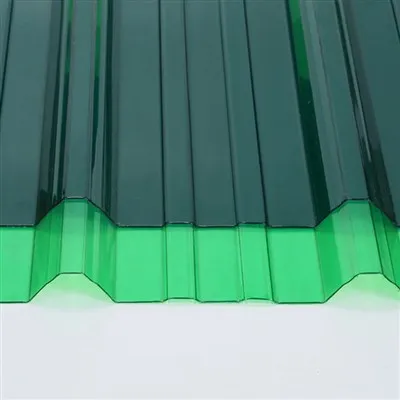
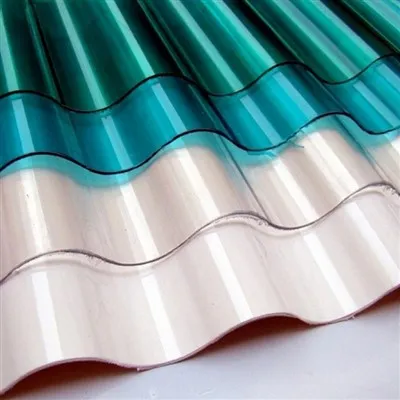
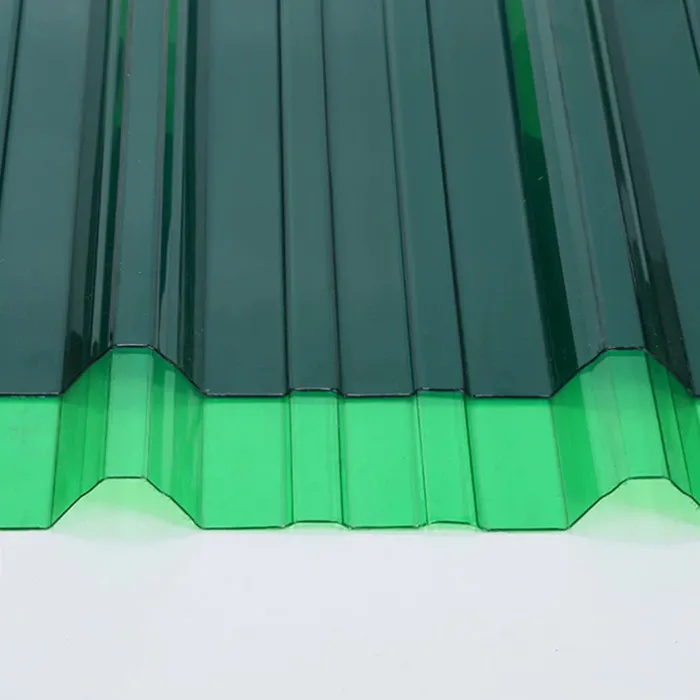
Polycarbonate is a thermoplastic polymer known for its high impact resistance, transparency, and light weight. These properties make it an attractive choice for roofing applications. Our PC Corrugated Sheet and UV Protected PC Roofing Sheet are designed to offer excellent durability and protection against the elements.
The high impact resistance of polycarbonate means that it can withstand the forces generated during an earthquake. Unlike traditional roofing materials such as clay tiles or concrete slabs, polycarbonate is less likely to shatter or break under stress. This is because polycarbonate has a high degree of flexibility, which allows it to absorb and distribute the energy from seismic waves.
Advantages of Polycarbonate Roofing Tiles in Earthquake - Prone Areas
- Lightweight: One of the most significant advantages of polycarbonate roofing tiles is their light weight. In an earthquake, the weight of the roof can have a major impact on the stability of the building. A heavy roof can increase the load on the structure, making it more likely to collapse. Polycarbonate roofing tiles are much lighter than traditional roofing materials, reducing the overall weight of the building and minimizing the risk of structural damage during an earthquake.
- Flexibility: Polycarbonate is a flexible material that can bend and flex without breaking. During an earthquake, the ground shakes and the building moves. A flexible roofing material can adapt to these movements, reducing the stress on the structure. This flexibility helps to prevent cracks and damage to the roof, ensuring that it remains intact and provides continued protection to the building.
- Transparency: Our Transparent PC Roofing Material offers the advantage of natural light transmission. In the aftermath of an earthquake, natural light can be crucial for emergency response and recovery efforts. Transparent roofing allows for better visibility inside the building, making it easier for rescue teams to locate survivors and assess the damage.
Considerations for Using Polycarbonate Roofing Tiles in Earthquake - Prone Areas
While polycarbonate roofing tiles offer many advantages in earthquake - prone areas, there are also some considerations that need to be taken into account.
- Installation: Proper installation is crucial for the performance of polycarbonate roofing tiles in an earthquake. The roofing system must be securely attached to the structure to prevent it from being dislodged during seismic activity. It is important to follow the manufacturer's installation guidelines and use appropriate fasteners and support structures.
- Seismic Design: Buildings in earthquake - prone areas are typically designed to withstand seismic forces. The roofing system should be integrated into the overall seismic design of the building. This may involve working with architects and engineers to ensure that the polycarbonate roofing tiles are compatible with the building's structural design and can provide the necessary protection.
- Maintenance: Regular maintenance is essential to ensure the long - term performance of polycarbonate roofing tiles. Inspections should be carried out after each earthquake to check for any damage or signs of wear. Any damaged tiles should be replaced promptly to maintain the integrity of the roof.
Case Studies
There have been several case studies that demonstrate the effectiveness of polycarbonate roofing tiles in earthquake - prone areas. In some regions where earthquakes are common, polycarbonate roofing has been used in both residential and commercial buildings. These buildings have shown better resistance to seismic damage compared to those with traditional roofing materials.
For example, in a recent earthquake in a coastal area, a commercial building with polycarbonate roofing suffered minimal damage. The flexibility of the polycarbonate tiles allowed them to absorb the seismic energy, preventing significant structural damage to the roof. In contrast, nearby buildings with traditional roofing materials experienced more severe damage, including broken tiles and roof collapses.

Conclusion
In conclusion, polycarbonate roofing tiles can be a suitable option for areas with frequent earthquakes. Their lightweight, flexibility, and transparency make them well - suited to withstand the forces generated during seismic activity. However, proper installation, seismic design, and maintenance are essential to ensure the long - term performance of the roofing system.
If you are considering using polycarbonate roofing tiles for your building in an earthquake - prone area, I encourage you to contact us for more information. Our team of experts can provide you with detailed advice on the best roofing solutions for your specific needs. We are committed to providing high - quality polycarbonate roofing products and excellent customer service. Whether you are building a new structure or renovating an existing one, we can help you make the right choice for your roofing needs.
References
- "Seismic Design of Buildings", American Society of Civil Engineers
- "Properties and Applications of Polycarbonate", Journal of Materials Science