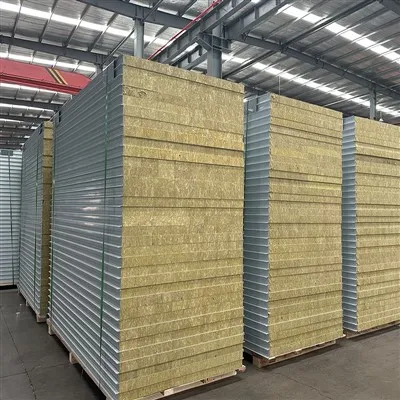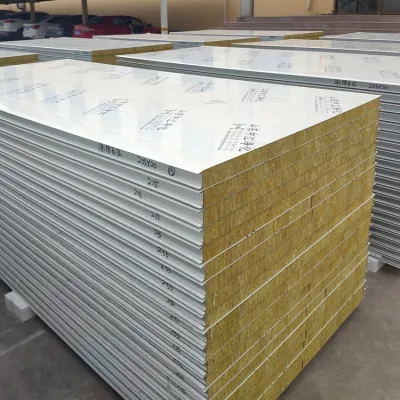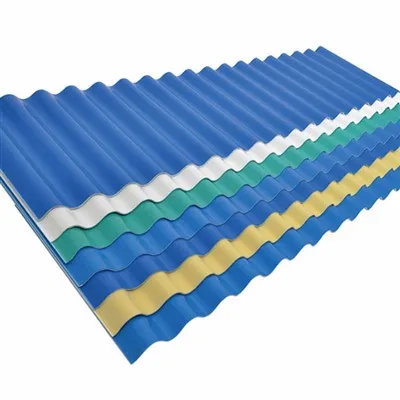

As a supplier of Rockwool Cleanroom Sandwich Panels, I am often asked about the significant role these panels play in enhancing energy efficiency within cleanrooms. In this blog, I will delve into the details of how Rockwool Cleanroom Sandwich Panels contribute to energy savings and a more sustainable cleanroom environment.
1. Thermal Insulation Properties
One of the primary ways Rockwool Cleanroom Sandwich Panels contribute to energy efficiency is through their excellent thermal insulation capabilities. Rockwool, also known as mineral wool, is a highly effective insulating material. It is made from natural rock materials that are melted and spun into fibers. These fibers create a dense matrix that traps air, which is a poor conductor of heat.
When used in cleanroom construction, Rockwool Cleanroom Sandwich Panels act as a thermal barrier. They prevent the transfer of heat between the inside and outside of the cleanroom. In cold climates, the panels keep the warm air inside the cleanroom, reducing the need for excessive heating. Conversely, in hot climates, they block the entry of external heat, minimizing the load on air - conditioning systems.
The thermal conductivity of Rockwool is relatively low, typically ranging from 0.03 to 0.04 W/(m·K). This means that it can effectively reduce heat flow, resulting in lower energy consumption for maintaining the desired temperature within the cleanroom. For example, a cleanroom with well - insulated Rockwool panels may require up to 30% less energy for heating and cooling compared to a cleanroom with poor insulation.
2. Air Tightness and Sealing
Another crucial aspect of energy efficiency in cleanrooms is air tightness. Rockwool Cleanroom Sandwich Panels are designed to provide a high level of air tightness when installed correctly. The panels are manufactured with precision, and their joints are sealed to prevent air leakage.
Air leakage can significantly impact energy efficiency. When air leaks out of the cleanroom, the heating or cooling systems have to work harder to maintain the proper temperature and humidity levels. By minimizing air leakage, Rockwool Cleanroom Sandwich Panels reduce the energy required to condition the air inside the cleanroom.
The air tightness of these panels is often measured using standardized tests. A well - installed Rockwool Cleanroom Sandwich Panel system can achieve air leakage rates as low as 0.1 cfm/ft² at 0.3 inches of water gauge pressure. This high level of air tightness ensures that the cleanroom remains energy - efficient by reducing the infiltration of outside air and the exfiltration of conditioned air.

3. Fire Resistance and Energy Savings
Rockwool is inherently fire - resistant. In a cleanroom, fire safety is of utmost importance, and the fire - resistant properties of Rockwool Cleanroom Sandwich Panels can also contribute to energy efficiency.
In the event of a fire, the panels can prevent the spread of flames and smoke, which helps to protect the cleanroom equipment and infrastructure. This reduces the potential for damage and downtime, which in turn can save energy. If a fire were to occur in a cleanroom without proper fire - resistant panels, the energy required to repair and restore the cleanroom, as well as the energy lost during the downtime, would be substantial.
Moreover, the fire - resistant nature of Rockwool panels allows for more efficient use of energy - consuming equipment. For example, in a cleanroom with fire - resistant panels, there is less risk of overheating due to fire - related incidents, which means that the cooling systems can operate more efficiently.
4. Long - Term Durability and Energy Efficiency
Rockwool Cleanroom Sandwich Panels are known for their long - term durability. They can withstand harsh environmental conditions, including temperature fluctuations, humidity, and chemical exposure. This durability translates into energy efficiency in several ways.
Firstly, because the panels are long - lasting, there is less need for frequent replacement. This reduces the energy and resources required for manufacturing and installing new panels. Secondly, the long - term performance of the panels ensures that their thermal insulation and air - tightness properties remain effective over time. As a result, the cleanroom can maintain its energy - efficient operation for an extended period.
In contrast, less durable panel materials may degrade over time, leading to a decrease in thermal insulation and air tightness. This would require more energy to maintain the desired cleanroom conditions.
5. Comparison with Other Cleanroom Panels
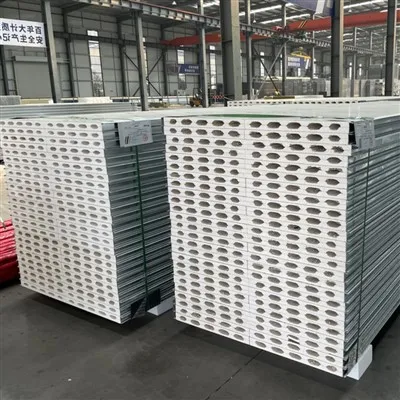
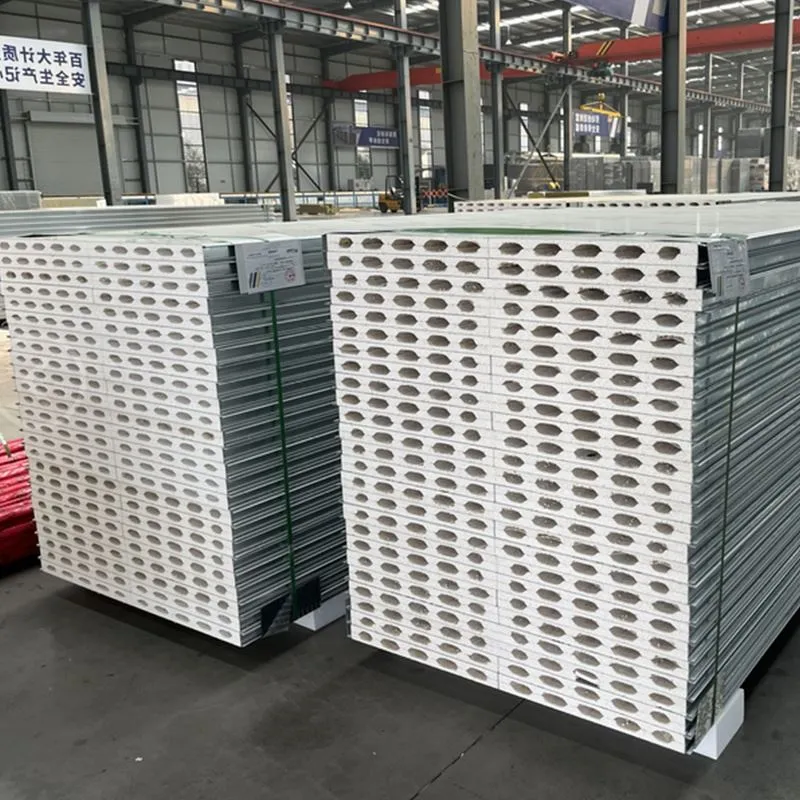
When comparing Rockwool Cleanroom Sandwich Panels with other types of cleanroom panels, such as Hollow MGO Cleanroom Panel, the energy - efficiency advantages become even more apparent.
Hollow MGO panels may have some insulation properties, but they are generally not as effective as Rockwool panels in terms of thermal insulation. The hollow structure of MGO panels may allow for more air movement and heat transfer, which can increase energy consumption.
On the other hand, Rock Wool Cleanroom Panel and Rockwool Cleanroom Sandwich Panel offer superior thermal insulation and air - tightness, making them a more energy - efficient choice for cleanroom applications.
6. Environmental Impact and Energy Efficiency
In addition to the direct energy - saving benefits, Rockwool Cleanroom Sandwich Panels also have a positive environmental impact, which is closely related to energy efficiency. Rockwool is a sustainable material that is made from natural resources. It is recyclable at the end of its life cycle, which reduces the environmental footprint associated with cleanroom construction.
By choosing Rockwool Cleanroom Sandwich Panels, cleanroom operators can contribute to a more sustainable future. The energy savings achieved through the use of these panels also reduce greenhouse gas emissions associated with energy production. This aligns with the global trend towards more sustainable and energy - efficient building practices.
Contact for Procurement
If you are interested in learning more about how Rockwool Cleanroom Sandwich Panels can enhance the energy efficiency of your cleanroom, I encourage you to contact us for a detailed discussion. We can provide you with more information about our products, including technical specifications, installation guidelines, and pricing. Our team of experts is ready to assist you in finding the best solution for your cleanroom needs.
References
- "Thermal Insulation Materials and Their Applications" - A comprehensive guide on thermal insulation materials, including Rockwool.
- "Cleanroom Design and Energy Efficiency" - A research paper discussing the relationship between cleanroom design and energy consumption.
- "Fire - Resistant Building Materials for Cleanrooms" - A study on the importance of fire - resistant materials in cleanroom construction.