
Do fireproof FRP translucent panels have good sound insulation performance?
As a supplier of Fireproof FRP Translucent Panels, I am often asked about the sound - insulation performance of these panels. In this blog, I will delve into the factors that affect the sound - insulation capabilities of fireproof FRP translucent panels and provide a comprehensive analysis.
Understanding Fireproof FRP Translucent Panels
Fireproof FRP (Fiber - Reinforced Plastic) translucent panels are a popular choice in various construction applications. They are made of fiberglass reinforced with a resin matrix, which gives them unique properties such as high strength, fire resistance, and translucency. These panels are widely used in industrial buildings, agricultural facilities, and commercial structures.
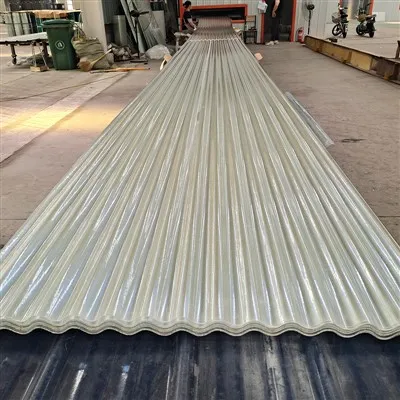
The Corrugated Translucent Fiberglass Roof Panel and Corrugated FRP Skylight Sheet are two common types of fireproof FRP translucent panels. The corrugated design not only enhances the structural strength of the panels but also has an impact on their sound - insulation performance.
Factors Affecting Sound Insulation
- Material Composition
The materials used in the manufacturing of fireproof FRP translucent panels play a crucial role in their sound - insulation capabilities. The fiberglass and resin matrix can absorb and dampen sound waves to a certain extent. Fiberglass has a porous structure, which can trap sound within its fibers. The resin, on the other hand, helps to bind the fiberglass together and can also contribute to sound absorption. However, the effectiveness of sound insulation depends on the quality and density of the materials. Higher - density fiberglass and well - formulated resin can provide better sound - insulation performance. - Panel Thickness
Thicker panels generally offer better sound insulation. As the thickness of the fireproof FRP translucent panel increases, it provides more mass for the sound waves to pass through. This additional mass can absorb and reflect more sound energy, reducing the amount of sound that is transmitted through the panel. For example, a thicker Fiberglass Translucent Sheet will typically have a higher Sound Transmission Class (STC) rating compared to a thinner one. - Corrugated Design
The corrugated design of the panels can also influence sound insulation. The corrugations create air pockets within the panel, which act as natural sound absorbers. These air pockets can disrupt the path of sound waves, causing them to bounce around and lose energy. Additionally, the corrugated shape can increase the surface area of the panel, which provides more opportunities for sound absorption.
Measuring Sound Insulation Performance
The sound - insulation performance of fireproof FRP translucent panels is typically measured using the Sound Transmission Class (STC) rating. The STC rating is a single - number index that represents the panel's ability to block sound. A higher STC rating indicates better sound insulation.
In general, fireproof FRP translucent panels have a moderate STC rating. The exact rating depends on the factors mentioned above, such as material composition, panel thickness, and corrugated design. For industrial applications where noise reduction is a priority, panels with a higher STC rating may be required.
Applications and Sound Insulation Requirements
- Industrial Buildings
In industrial settings, there is often a significant amount of noise generated by machinery and equipment. Fireproof FRP translucent panels can be used to construct walls and roofs, providing both fire protection and some level of sound insulation. However, in areas with high - noise levels, additional sound - insulation measures may be necessary. For example, installing acoustic insulation behind the panels or using double - walled panels can further improve the sound - insulation performance. - Agricultural Facilities
In agricultural facilities, such as greenhouses and barns, the sound - insulation requirements are generally lower. Fireproof FRP translucent panels can provide sufficient sound insulation to reduce the noise from outside, such as wind and rain. The panels also allow natural light to enter the facility, which is beneficial for plant growth. - Commercial Structures
In commercial buildings, the sound - insulation performance of fireproof FRP translucent panels can enhance the comfort of the occupants. For example, in office buildings or retail stores, the panels can help to reduce the noise from the street or adjacent areas. The translucency of the panels also provides a pleasant and well - lit environment.
Comparing with Other Sound - Insulating Materials
When compared to traditional sound - insulating materials such as fiberglass insulation batts or acoustic panels, fireproof FRP translucent panels have some advantages and disadvantages.
Advantages
- Fire Resistance: Fireproof FRP translucent panels offer excellent fire resistance, which is a crucial factor in many construction applications. This makes them a safer choice compared to some other sound - insulating materials.
- Translucency: The ability to transmit light makes these panels a unique option. They can be used in areas where natural light is desired, such as skylights or atriums.
- Durability: FRP panels are highly durable and resistant to weathering, chemicals, and corrosion. This ensures a long - term performance in various environments.
Disadvantages
- Sound - Insulation Capacity: While fireproof FRP translucent panels can provide some sound insulation, they may not be as effective as dedicated sound - insulating materials in high - noise environments. In situations where maximum sound reduction is required, additional sound - insulation measures may be needed.
Conclusion
Fireproof FRP translucent panels do have a certain level of sound - insulation performance. Their sound - insulation capabilities are influenced by factors such as material composition, panel thickness, and corrugated design. While they may not be the most effective sound - insulating materials in all situations, they offer other benefits such as fire resistance, translucency, and durability.
If you are considering using fireproof FRP translucent panels for your construction project and are interested in their sound - insulation performance, we are here to help. We can provide you with detailed information about our products and assist you in choosing the right panels for your specific needs. Contact us for more information and to discuss your procurement requirements.


References
- Building Science Corporation. "Sound Transmission Basics."
- ASTM International. "Standard Test Method for Laboratory Measurement of Airborne Sound Transmission Loss of Building Partitions and Elements."