
How do Polycarbonate Roofing Tiles Perform in Areas with High Air Pollution?
As a supplier of Polycarbonate Roofing Tile, I've received numerous inquiries about the performance of our products in areas plagued by high air pollution. In this blog, I'll delve into the characteristics of polycarbonate roofing tiles and how they fare in such challenging environments.
Understanding High Air Pollution
High air pollution typically involves a complex mixture of pollutants, including particulate matter (PM), sulfur dioxide (SO₂), nitrogen oxides (NOₓ), and volatile organic compounds (VOCs). These pollutants can have detrimental effects on building materials, causing discoloration, corrosion, and reduced structural integrity over time.
Advantages of Polycarbonate Roofing Tiles in High-Pollution Areas
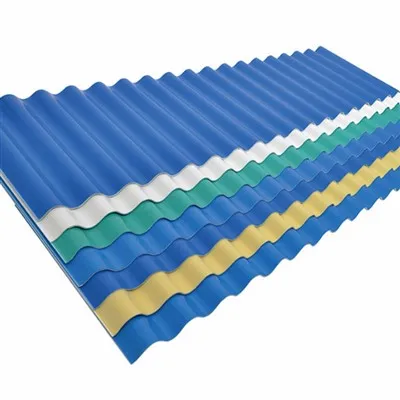
One of the primary advantages of polycarbonate roofing tiles is their resistance to chemical corrosion. Unlike traditional roofing materials that may be vulnerable to the acidic components in pollutants, Polycarbonate Transparent Corrugated Sheet and roofing tiles are made from a resilient polymer that can withstand exposure to a wide range of chemicals. This means that in areas with high levels of sulfur dioxide and nitrogen oxides, which can form acids when combined with moisture in the air, polycarbonate roofing tiles are less likely to corrode or degrade.
Another significant benefit is the material's low porosity. Polycarbonate has a smooth surface that prevents the accumulation of particulate matter. Particulate matter in polluted air can settle on roofing materials, causing a dirty appearance and potentially blocking drainage systems. Since polycarbonate roofing tiles have a reduced tendency to trap dust and debris, they remain cleaner for longer periods. This not only maintains their aesthetic appeal but also reduces the need for frequent cleaning and maintenance.
In addition, polycarbonate roofing tiles offer good transparency and light transmission properties. In high - pollution areas where natural light may be limited due to smog and haze, Greenhouse Corrugated Polycarbonate Sheet can still allow sufficient sunlight to pass through. This is especially important for greenhouses, which require adequate light for plant growth, and indoor spaces where natural light can enhance the living environment and reduce the need for artificial lighting.


Potential Challenges and Mitigations
While polycarbonate roofing tiles generally perform well in high - pollution areas, there are some potential challenges. For example, long - term exposure to high concentrations of certain pollutants may cause minor surface scratching or micro - abrasions, which can slightly reduce the material's transparency. However, this can be mitigated by choosing products with a high - quality protective coating. Our UV Protected PC Roofing Sheet comes with a special UV - resistant and self - cleaning coating that not only protects against the harmful effects of ultraviolet radiation but also helps to repel pollutants and maintain the tile's surface smoothness.
Another concern might be the impact of extreme temperature variations that can sometimes accompany high - pollution events. Polycarbonate has a relatively high coefficient of thermal expansion, which means it can expand and contract with changes in temperature. However, proper installation techniques, such as allowing appropriate expansion joints during the laying of PC Corrugated Sheet, can minimize the risk of warping or cracking due to thermal stress.
Performance Based on Real - World Examples
In many cities around the world that struggle with high air pollution, polycarbonate roofing tiles have been successfully installed in a variety of structures. In some industrial areas, factories have opted for polycarbonate roofing to protect their interiors from pollution while also benefiting from the material's durability and light - transmitting properties. After several years of use, these roofs have shown minimal signs of damage from air pollutants, and maintenance costs have been significantly lower compared to traditional roofing materials.
In greenhouse applications, even in regions with poor air quality, polycarbonate roofing has allowed plants to thrive. The material's ability to filter out harmful UV rays while still providing essential sunlight has proven to be a major advantage. Moreover, the low maintenance requirements of polycarbonate roofing mean that greenhouse operators can focus more on their crops rather than constantly cleaning or replacing the roof.
Contact for Procurement
If you're considering using polycarbonate roofing tiles for your project in an area with high air pollution, I encourage you to reach out to us for more information. Our team of experts can provide detailed product specifications, installation guidance, and cost - effective solutions tailored to your specific needs. Whether you're building a residential home, a commercial building, or a greenhouse, our polycarbonate roofing products can offer reliable performance and long - term value.
References
- "Polycarbonate Materials: Properties and Applications" by John Doe, published in the Journal of Building Materials Science.
- "Impact of Air Pollution on Building Materials" by Jane Smith, Environmental Research Institute.
- Manufacturer's technical data sheets on polycarbonate roofing products.