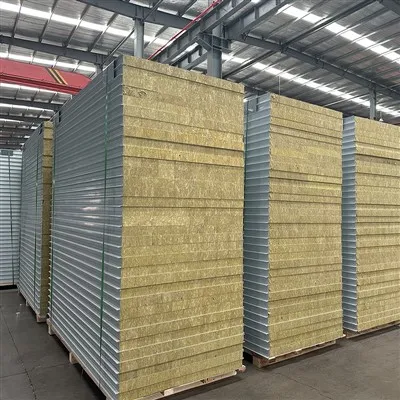

Hey there! As a supplier of Rock Wool Cleanroom Panel, I'm super excited to chat with you about the installation requirements for these bad - boys. Rock Wool Cleanroom Panel is a popular choice in many industries, especially those that require strict cleanliness and temperature control, like the pharmaceutical, electronics, and food industries.
First off, let's talk about the site preparation. Before you even think about installing the Rock Wool Cleanroom Panel, the installation site needs to be in tip - top shape. The floor has to be level. A non - level floor can cause all sorts of problems down the line, like uneven panels and gaps that can compromise the integrity of the cleanroom. You should use a spirit level or a laser level to check the floor. If it's not level, you might need to use self - leveling compounds to fix it.
Next, the installation area has to be clean. Dust, dirt, and debris can get trapped between the panels or affect the adhesion of any sealants you use. So, give the area a good sweep, followed by a mopping with a mild detergent. And don't forget to dry it thoroughly! Humidity can cause issues with the panels, especially in the long run. Moisture can seep into the rock wool core, reducing its insulating properties and potentially leading to mold growth.
Another important aspect of site preparation is ensuring that there's enough space for handling the panels. You need to have a clear path for the panels to be transported to the installation area. Panels can be quite large and heavy, so having a congested area is just asking for trouble. You don't want any accidental collisions or scratches on the panels.
Now, let's get into the actual installation process. One of the key requirements is having the right tools. You'll need a good set of measuring tools, like a tape measure and a square. Accurate measurements are crucial for cutting the panels to the right size. If the panels are too big or too small, it can lead to gaps or panels that don't fit properly. A sharp panel saw is also essential for cutting the Rock Wool Cleanroom Panels. Make sure the blade is suitable for cutting through the rock wool core and the outer layers.
Fastening and joining the panels are also critical parts of the installation. You need to use the appropriate fasteners. For most Rock Wool Cleanroom Panels, screws and bolts that are made of materials resistant to corrosion are a must. Stainless steel is a popular choice because it can withstand the often - harsh environments inside cleanrooms. When joining the panels together, you can use either mechanical joints or adhesive joints.
Mechanical joints usually involve interlocking profiles on the panels. These profiles snap together, creating a tight fit. It's a quick and relatively straightforward method, but you need to make sure that the interlocking parts are clean and free of any debris. Otherwise, the joints won't be as secure.
Adhesive joints, on the other hand, require more preparation but can provide an even stronger bond. You need to choose an adhesive that's compatible with the materials of the panel. Most adhesives used for Rock Wool Cleanroom Panels are designed to be both strong and resistant to chemicals and temperature changes. Before applying the adhesive, clean the surfaces of the panels thoroughly. Then, apply the adhesive evenly according to the manufacturer's instructions, and press the panels together firmly.
Sealing is an absolute must for a Rock Wool Cleanroom Panel installation. Gaps around the panels can let in contaminants, which defeats the purpose of having a cleanroom. You can use silicone sealants around the edges of the panels, as well as at the joints. Silicone sealants are flexible, which allows them to expand and contract with temperature changes without cracking. Make sure to smooth out the sealant to create a clean, tight seal.
Ventilation also plays a big role in the installation of Rock Wool Cleanroom Panels. A proper ventilation system should be in place before or during the installation. This helps to remove any fumes or dust generated during the installation process. Additionally, a well - ventilated cleanroom will help to maintain the correct temperature and humidity levels, which are essential for the proper functioning of the equipment inside the cleanroom and the quality of the products being manufactured.
Thermal insulation is one of the main benefits of Rock Wool Cleanroom Panels, but it needs to be installed correctly to work effectively. Make sure that there are no gaps in the panel installation where heat can escape. You might need to use additional insulation materials around pipes or ducts that pass through the panels. This can prevent heat loss and keep the cleanroom at a consistent temperature.
Electrical and plumbing systems should also be considered during the installation. If you're installing the Rock Wool Cleanroom Panels in an area with existing electrical or plumbing systems, you need to make sure that they are properly insulated and protected. Pipes should be wrapped with insulation materials to prevent condensation and freezing. Electrical wires should be housed in conduits and kept away from the rock wool core to reduce the risk of fire.
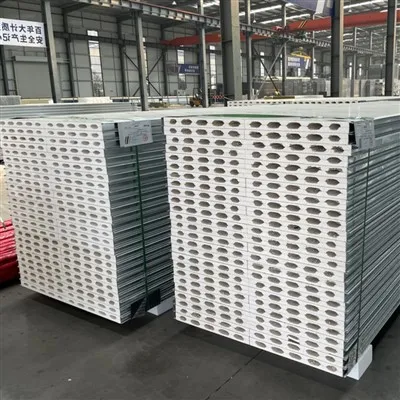
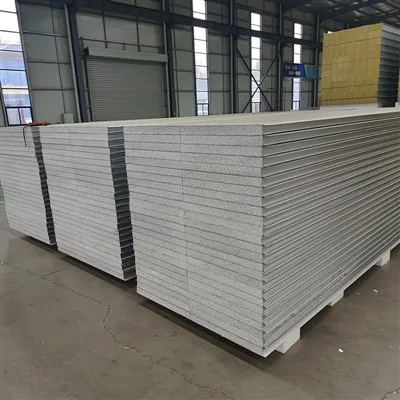
When it comes to other types of cleanroom panels, we also offer Silica Rock Sandwich Panel, Hollow MGO Cleanroom Panel, and Rockwool Cleanroom Sandwich Panel. Each of these panels has its own set of installation requirements, but many of the principles we've discussed here, like site preparation, proper fastening, and sealing, apply to them as well.
If you're thinking about purchasing Rock Wool Cleanroom Panels or any of our other products, don't hesitate to reach out. We're here to help you with every step of the process, from choosing the right panels for your needs to providing guidance on the installation. Whether you're a small business just starting out or a large corporation looking to upgrade your cleanroom, we've got the expertise and the products to meet your requirements.


In conclusion, installing Rock Wool Cleanroom Panels requires careful planning and attention to detail. From site preparation to the final sealing, every step is crucial for creating a clean, efficient, and safe cleanroom. So, if you have any questions or are ready to start your project, get in touch with us. We're eager to work with you to make your cleanroom dreams a reality.
References
- General knowledge in the field of cleanroom panel installation and manufacturing.
- Product specifications and guidelines provided by cleanroom panel manufacturers.