
In the biotech industries, the demand for cleanrooms is of utmost importance. Cleanrooms provide a controlled environment where the concentration of airborne particles, temperature, humidity, and pressure are regulated to meet specific standards. This is crucial for conducting research, developing new drugs, and manufacturing biotech products. One of the critical components of a cleanroom is the cleanroom panel, which serves as both a structural and functional element. In this blog, as a Rock Wool Cleanroom Panel supplier, I will explore whether Rock Wool Cleanroom Panel is suitable for cleanrooms in biotech industries.
Understanding the Requirements of Biotech Cleanrooms
Biotech cleanrooms are designed to prevent contamination from various sources, including microorganisms, dust, and chemical pollutants. The International Organization for Standardization (ISO) has defined different cleanroom classes based on the maximum number of particles per cubic meter of air. For example, ISO Class 5 cleanrooms allow a maximum of 3,520 particles (≥0.5 µm) per cubic meter, which is extremely strict.
In addition to particle control, biotech cleanrooms also need to maintain stable temperature and humidity levels. Most biotech processes require a temperature range of 20 - 24°C and a relative humidity of 40 - 60%. Moreover, the cleanroom panels should be resistant to chemicals and easy to clean to prevent the growth of bacteria and other microorganisms.
Features of Rock Wool Cleanroom Panel
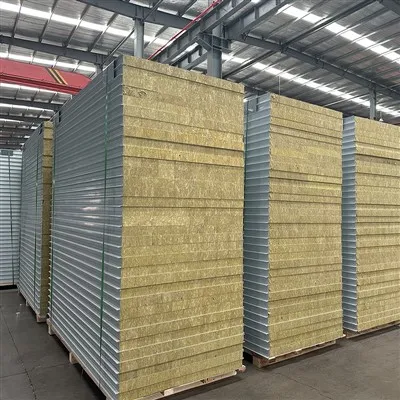
Rock Wool Cleanroom Panel, also known as Rockwool Cleanroom Sandwich Panel, is a type of composite panel that consists of a rock wool core sandwiched between two metal or non - metal facings. Rock wool is made from natural rock materials, which are melted and spun into fibers. Here are some of its key features:
1. Excellent Thermal Insulation
Rock wool has a low thermal conductivity, which means it can effectively reduce heat transfer. In a biotech cleanroom, maintaining a stable temperature is essential. The thermal insulation property of Rock Wool Cleanroom Panel helps to minimize the energy consumption of the heating, ventilation, and air - conditioning (HVAC) system, which in turn reduces the operating cost.
2. Good Fire Resistance
Fire safety is a major concern in biotech industries, especially when dealing with flammable chemicals and gases. Rock wool is a non - combustible material, and Rock Wool Cleanroom Panel can provide a high level of fire resistance. This helps to prevent the spread of fire in case of an accident, protecting the valuable equipment and personnel in the cleanroom.
3. Sound Absorption
Biotech cleanrooms often house noisy equipment such as pumps and fans. Rock wool has good sound absorption properties, which can reduce the noise level in the cleanroom. A quiet environment is beneficial for the well - being of the workers and can also prevent interference with sensitive research and testing equipment.
4. High Strength and Durability
The metal facings of Rock Wool Cleanroom Panel provide high strength, making the panel suitable for structural applications. It can withstand the normal wear and tear in a cleanroom environment and has a long service life. This reduces the need for frequent panel replacement, which is both time - consuming and costly.
Suitability for Biotech Cleanrooms
While Rock Wool Cleanroom Panel has many advantages, its suitability for biotech cleanrooms also depends on several factors.
1. Particle Emission
One of the main concerns in biotech cleanrooms is particle emission. Although rock wool is a relatively stable material, there is a risk of fiber release. However, modern manufacturing processes have significantly reduced the fiber emission of Rock Wool Cleanroom Panel. The panels are usually sealed properly during installation to prevent fiber leakage. In addition, the HVAC system in the cleanroom can effectively filter out any potential particles, ensuring that the cleanroom meets the required particle standards.

2. Chemical Resistance
Biotech cleanrooms often use various chemicals for cleaning, sterilization, and research purposes. Rock wool itself has a certain degree of chemical resistance, but the metal facings of the panel may be affected by some strong acids and alkalis. Therefore, when choosing Rock Wool Cleanroom Panel, it is important to select the appropriate facing material according to the specific chemical environment in the cleanroom. For example, stainless steel facings have better chemical resistance compared to ordinary steel facings.
3. Cleanability
The cleanability of cleanroom panels is crucial for preventing the growth of microorganisms. Rock Wool Cleanroom Panel can be easily cleaned with common cleaning agents. The smooth surface of the metal facings allows for effective removal of dirt and contaminants. However, it is important to ensure that the cleaning process does not damage the panel or cause fiber release.
Comparison with Other Cleanroom Panels
There are other types of cleanroom panels available in the market, such as Hollow MGO Cleanroom Panel and Silica Rock Sandwich Panel. Let's compare Rock Wool Cleanroom Panel with these alternatives.
1. Hollow MGO Cleanroom Panel
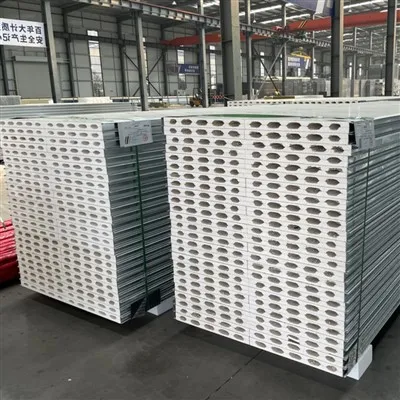
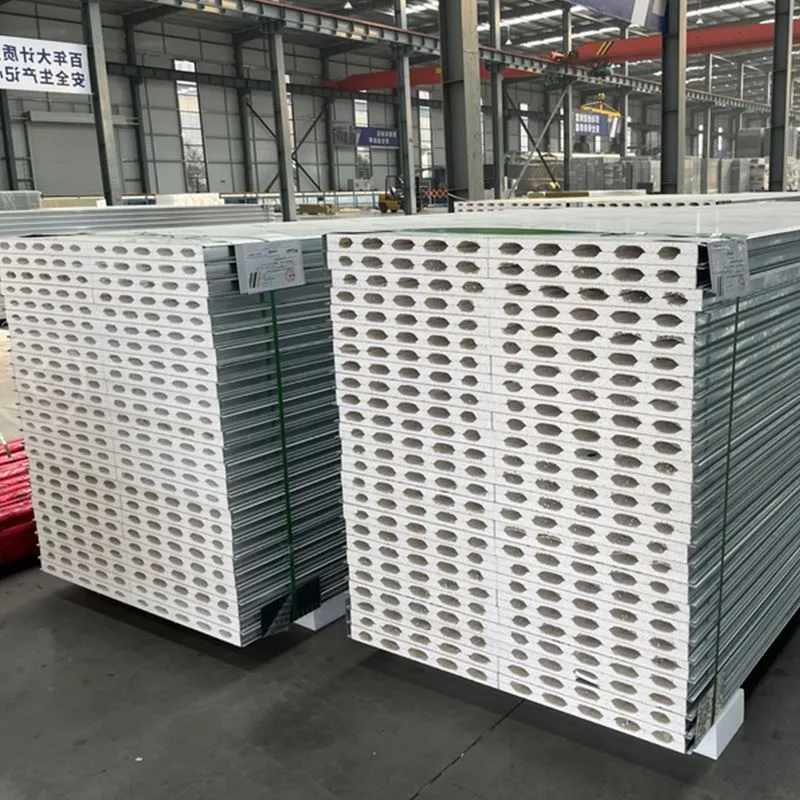
Hollow MGO Cleanroom Panel is made of magnesium oxide board and has a hollow structure. It is lightweight and has good fire resistance. However, compared to Rock Wool Cleanroom Panel, its thermal insulation performance is relatively poor. In addition, the hollow structure may make it more difficult to clean thoroughly, increasing the risk of contamination.
2. Silica Rock Sandwich Panel
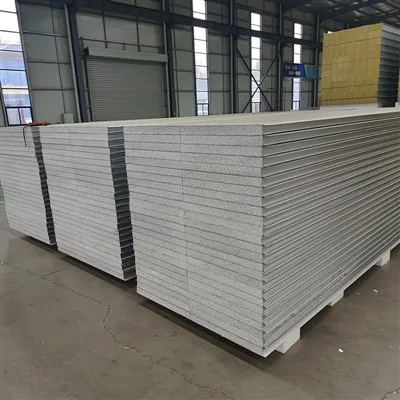
Silica Rock Sandwich Panel uses silica rock as the core material. It has similar properties to Rock Wool Cleanroom Panel in terms of thermal insulation and fire resistance. However, silica rock may have a higher risk of dust generation compared to rock wool. Moreover, the production of silica rock panels may be more energy - intensive.
Conclusion
In general, Rock Wool Cleanroom Panel is a suitable choice for cleanrooms in biotech industries. Its excellent thermal insulation, fire resistance, sound absorption, and high strength make it a reliable option for creating a controlled environment. Although there are some concerns such as particle emission and chemical resistance, these can be effectively addressed through proper selection of materials and installation methods.
If you are in the biotech industry and are looking for a cleanroom panel solution, I encourage you to consider Rock Wool Cleanroom Panel. Our company has extensive experience in providing high - quality Rock Wool Cleanroom Panels that meet the strict requirements of biotech cleanrooms. We are committed to helping you create a clean, safe, and efficient working environment. If you have any questions or would like to discuss your specific needs, please feel free to contact us for further procurement negotiation.
References
- ISO 14644 - 1:2015, Cleanrooms and associated controlled environments - Part 1: Classification of air cleanliness.
- "Handbook of Cleanroom Design, Construction, and Operation" by William D. Davis.