
In the world of cleanroom technology, sandwich panels are the unsung heroes. They form the structural and functional backbone of cleanrooms, providing insulation, durability, and a controlled environment. As a supplier of cleanroom sandwich panels, I often get asked about the ease of repair of these essential components. In this blog, we'll explore what ease of repair means for cleanroom sandwich panels, the factors that influence it, and why it matters for your cleanroom.
Understanding Cleanroom Sandwich Panels
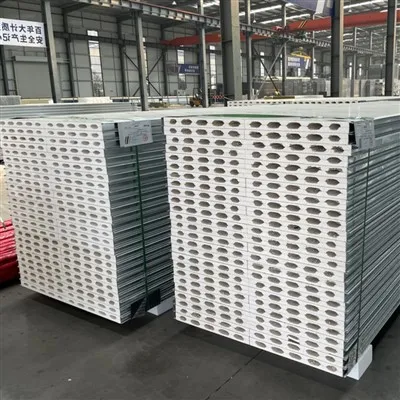
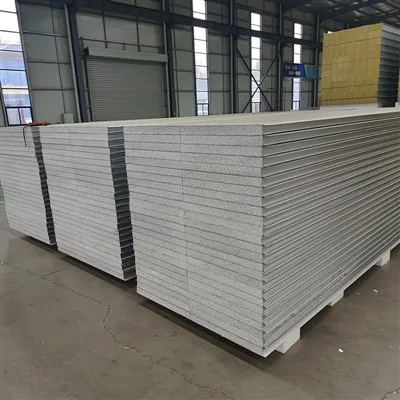
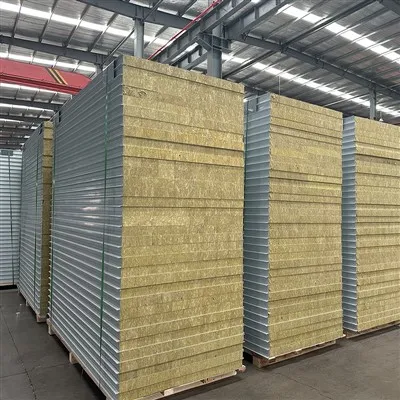
Before delving into the ease of repair, it's essential to understand what cleanroom sandwich panels are. These panels typically consist of two outer skins, which can be made of materials like steel, aluminum, or fiberglass, and a core material. The core material can vary widely, including Rock Wool Cleanroom Panel, which offers excellent fire resistance and insulation, Rockwool Cleanroom Sandwich Panel, known for its thermal and acoustic properties, Hollow MGO Cleanroom Panel, which provides a lightweight and cost - effective solution, and Silica Rock Sandwich Panel, which is highly resistant to high temperatures.
The combination of these materials creates a panel that is strong, insulating, and can maintain the strict environmental conditions required in cleanrooms. However, like any building material, they are not immune to damage.
Factors Affecting the Ease of Repair
Panel Construction
The way a cleanroom sandwich panel is constructed has a significant impact on its ease of repair. Panels with simple and accessible designs are generally easier to work on. For example, if the outer skins are attached to the core using a straightforward fastening system, it will be quicker and easier to remove and replace a damaged section. In contrast, panels with complex interlocking or composite structures may require more time and specialized tools to access the damaged area.
Core Material
The type of core material also plays a role. Soft and easily workable cores, such as some types of insulation foams, can be repaired more easily. Damaged areas can be cut out and replaced with new material without much difficulty. However, harder core materials like some types of concrete or dense rock wool may require more powerful cutting tools and more precise fitting to ensure a proper repair.
Skin Material
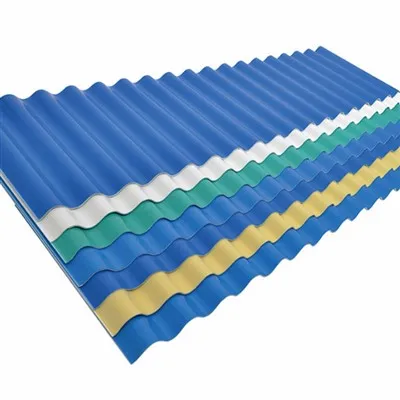
The outer skin material affects both the frequency of damage and the ease of repair. Metals like steel and aluminum are durable but can dent or scratch. Minor scratches may be easily repairable with touch - up paint, but more significant dents may require panel replacement or complex metal - shaping techniques. Fiberglass skins are more resistant to scratches but can crack or delaminate, and repairing these issues may involve specialized resins and fiberglass patches.
Location and Accessibility
The location of the damaged panel within the cleanroom is a crucial factor. Panels that are easily accessible, such as those on lower walls or in open areas, can be repaired more quickly. In contrast, panels in hard - to - reach places, like high ceilings or behind equipment, may require scaffolding or the removal of other components to access, which adds time and complexity to the repair process.
Importance of Ease of Repair
Minimizing Downtime
In a cleanroom environment, downtime can be extremely costly. Whether it's a pharmaceutical manufacturing facility, a semiconductor production plant, or a research laboratory, any disruption to operations can lead to lost production, missed deadlines, and potential product quality issues. Panels that are easy to repair can be fixed quickly, minimizing the time the cleanroom is out of commission.


Cost - Effectiveness
Repairing a damaged panel is often more cost - effective than replacing it entirely. Easier - to - repair panels mean lower labor costs, as less time and fewer specialized skills are required. Additionally, if the repair process is straightforward, it may be possible for in - house maintenance teams to handle the repairs, reducing the need to hire external contractors.
Maintaining Cleanroom Integrity
Cleanrooms are designed to maintain a specific level of cleanliness, temperature, and humidity. A damaged panel can compromise these conditions. Quick and effective repairs ensure that the cleanroom's integrity is restored as soon as possible, preventing the spread of contaminants and maintaining the quality of the products or research conducted within.
Repair Strategies for Cleanroom Sandwich Panels
Minor Damage
For minor scratches or surface damage on the outer skin, simple cleaning and touch - up can often be sufficient. If the panel has a painted finish, matching paint can be used to cover the scratch. In the case of minor dents in metal skins, some dents can be gently hammered out from the inside of the panel if the access allows.
Core Damage
When the core material is damaged, the approach depends on the type of core. For a soft insulation foam core, the damaged area can be cut out with a sharp knife and replaced with a new piece of the same foam. The new piece should be carefully fitted and glued in place to ensure proper insulation. For more rigid cores, such as rock wool or silica rock, a larger section may need to be removed and replaced, which may require more precise cutting and fitting.
Severe Damage
In cases of severe damage, such as a large crack or delamination, it may be necessary to replace the entire panel. This process involves removing the damaged panel, ensuring the surrounding area is clean and undamaged, and installing a new panel. It's essential to follow the manufacturer's installation instructions to maintain the cleanroom's integrity.
Conclusion
The ease of repair of cleanroom sandwich panels is a critical consideration for any cleanroom owner or operator. It affects downtime, cost - effectiveness, and the overall performance of the cleanroom. As a supplier of these panels, we understand the importance of providing products that are not only high - quality but also easy to repair. Our range of Rock Wool Cleanroom Panel, Rockwool Cleanroom Sandwich Panel, Hollow MGO Cleanroom Panel, and Silica Rock Sandwich Panel is designed with these factors in mind, ensuring that your cleanroom remains operational and efficient.
If you're in the market for cleanroom sandwich panels or have questions about their repair and maintenance, we're here to help. Contact us to discuss your specific needs and find the best solution for your cleanroom.
References
- Cleanroom Technology Handbook, 3rd Edition
- Building and Maintaining Cleanrooms: A Guidebook for Industry Professionals