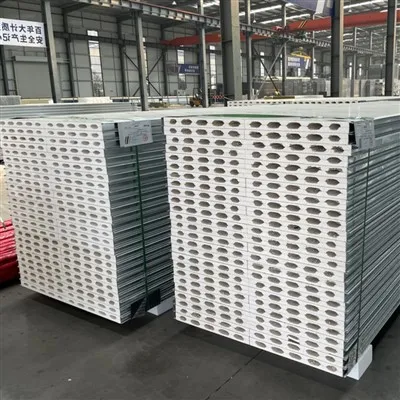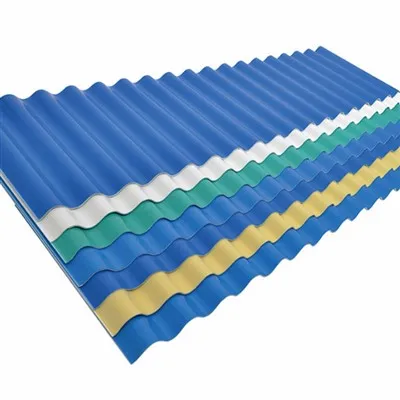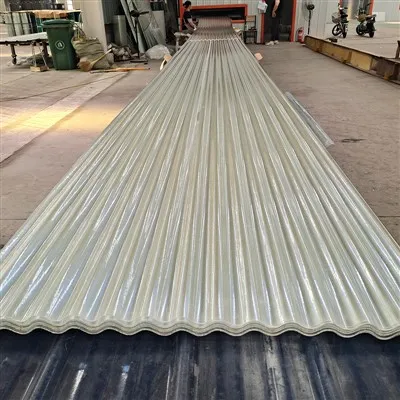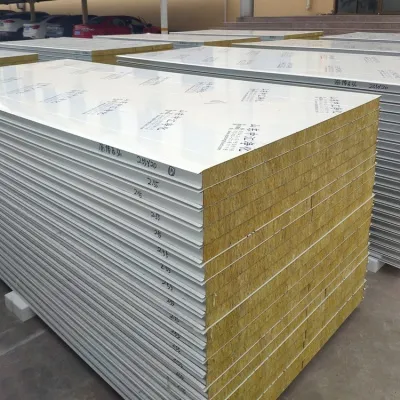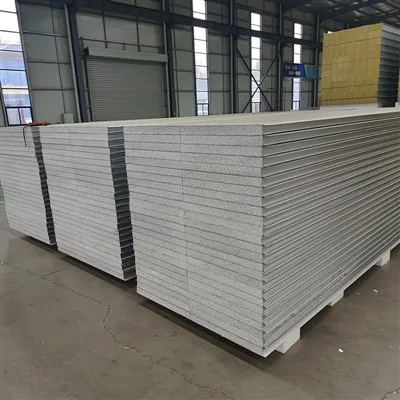

Hey there! As a supplier of Hollow MGO Cleanroom Panel, I'm super excited to share with you how this amazing product stacks up against plastic cleanroom panels. Let's dive right in and explore the differences, advantages, and why you might want to choose Hollow MGO Cleanroom Panel for your cleanroom needs.
1. Structure and Material
First off, let's talk about what these panels are made of. Plastic cleanroom panels are, well, made of plastic. They're usually constructed from various types of polymers, which can vary in terms of their chemical composition and properties. On the other hand, Hollow MGO Cleanroom Panel is made of magnesium oxide (MGO) board. This material is known for its high strength and fire - resistance.
The structure of plastic panels is often a solid sheet or a simple composite. In contrast, the Hollow MGO Cleanroom Panel has a hollow structure. This design not only reduces the weight of the panel but also provides better insulation properties. The hollow part can act as an air - filled chamber, which helps in maintaining a stable temperature inside the cleanroom.
2. Fire Resistance
Fire safety is a crucial factor in cleanroom environments. Plastic cleanroom panels, depending on the type of plastic used, may have varying degrees of fire resistance. Some plastics are highly flammable and can release toxic fumes when burned.
Hollow MGO Cleanroom Panel, however, is extremely fire - resistant. Magnesium oxide has a high melting point, and it doesn't burn easily. In case of a fire, it can prevent the spread of flames and reduce the risk of a large - scale fire in the cleanroom. This makes it a much safer option, especially in industries where fire safety is a top priority, such as pharmaceutical and electronics manufacturing.
3. Chemical Resistance
Cleanrooms often deal with various chemicals for cleaning, sterilization, and manufacturing processes. Plastic panels may react with certain chemicals, leading to discoloration, degradation, or even structural damage.
Hollow MGO Cleanroom Panel has excellent chemical resistance. The MGO material can withstand a wide range of chemicals without being affected. This means that it can maintain its integrity and performance even in harsh chemical environments, ensuring a longer lifespan and less need for frequent panel replacements.
4. Hygiene and Cleanability
In a cleanroom, maintaining a high level of hygiene is essential. Plastic panels can have a smooth surface, but they may also have microscopic pores where dirt, bacteria, and other contaminants can accumulate. Cleaning plastic panels can be a challenge, especially if the contaminants are deeply embedded.
Hollow MGO Cleanroom Panel has a smooth and non - porous surface. This makes it easy to clean and disinfect. You can simply wipe it down with common cleaning agents, and it will quickly return to a clean and hygienic state. This is a huge advantage in cleanroom applications where strict hygiene standards must be met.
5. Durability
Plastic panels may be prone to scratches, dents, and wear over time. They can also become brittle in extreme temperatures, which can lead to cracking and breakage.
Hollow MGO Cleanroom Panel is much more durable. The MGO material is strong and can withstand physical impacts. It also has good dimensional stability, meaning it won't warp or deform easily under normal conditions. This durability ensures that the panels will last longer, reducing the overall cost of ownership.
6. Insulation
Proper insulation is important in cleanrooms to maintain a stable temperature and humidity. Plastic panels may have limited insulation properties, especially if they are thin.
The hollow structure of the Hollow MGO Cleanroom Panel provides excellent insulation. The air trapped in the hollow part acts as an insulator, reducing heat transfer and helping to keep the cleanroom at a consistent temperature. This can lead to energy savings and better control of the cleanroom environment.
7. Environmental Impact
Plastic is a non - biodegradable material, and its production and disposal can have a significant environmental impact. Many plastic cleanroom panels end up in landfills, where they can take hundreds of years to decompose.
Hollow MGO Cleanroom Panel is more environmentally friendly. Magnesium oxide is a natural mineral, and the production process of MGO panels is relatively energy - efficient. Additionally, MGO panels can be recycled at the end of their lifespan, reducing waste and minimizing the environmental footprint.
8. Cost - Effectiveness
When it comes to cost, plastic cleanroom panels may seem cheaper upfront. However, when you consider the long - term costs, Hollow MGO Cleanroom Panel can be a more cost - effective option. Due to its durability, fire resistance, and low maintenance requirements, you'll save money on replacements, repairs, and energy costs over time.
9. Other Related Panels
There are other types of cleanroom panels in the market, such as Rock Wool Cleanroom Panel and Silica Rock Sandwich Panel. Rock Wool Cleanroom Panel is known for its excellent insulation and fire - resistant properties. Silica Rock Sandwich Panel also offers good insulation and strength. However, compared to these panels, Hollow MGO Cleanroom Panel has its unique advantages, such as better cleanability and a lighter weight.


In conclusion, Hollow MGO Cleanroom Panel offers many advantages over plastic cleanroom panels. It's safer, more durable, easier to clean, and more environmentally friendly. If you're in the market for cleanroom panels, I highly recommend considering Hollow MGO Cleanroom Panel for your project.
If you're interested in learning more about our Hollow MGO Cleanroom Panel or want to discuss your specific cleanroom requirements, don't hesitate to reach out. We're here to help you make the best choice for your cleanroom needs.
References
- General knowledge about cleanroom panel materials and properties.
- Industry reports on cleanroom panel performance and applications.