
As a supplier of Silica Rock Sandwich Panels, I often encounter questions from clients about the fire - spread rate of these panels. This is a critical concern, especially in industries where fire safety is paramount, such as cleanrooms, industrial buildings, and commercial spaces. In this blog, I will delve into the fire - spread rate of Silica Rock Sandwich Panels, exploring the factors that influence it and why these panels are a reliable choice for fire - resistant applications.
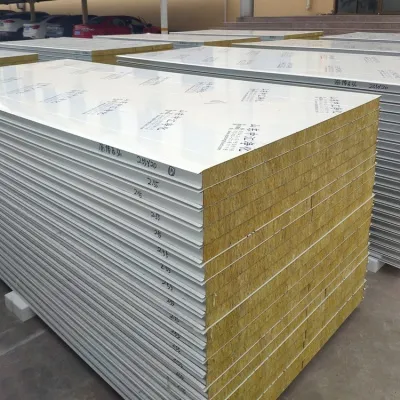
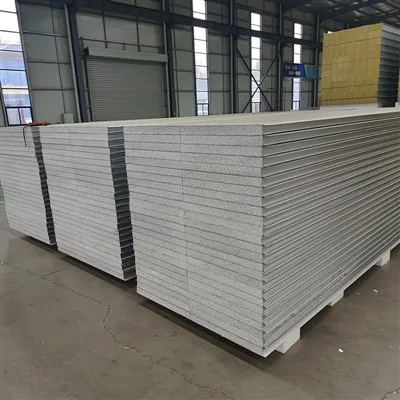
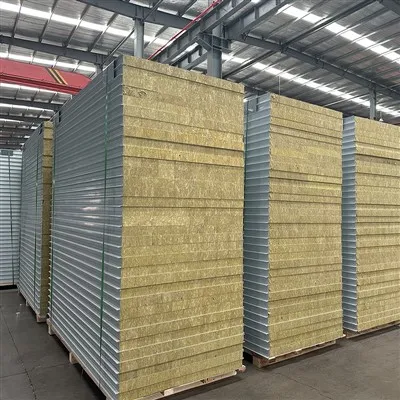
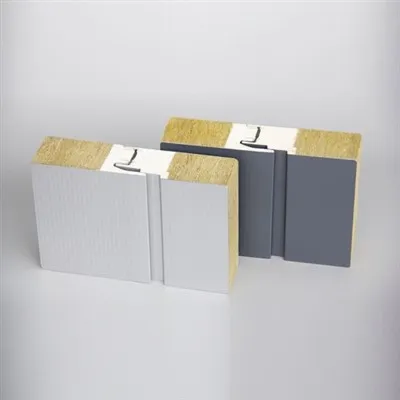
Silica Rock Sandwich Panels are a type of composite building material that consists of two outer metal sheets and a core made of silica rock wool. Silica rock wool is a high - quality insulation material known for its excellent thermal and acoustic properties, as well as its fire - resistant characteristics. The combination of the metal sheets and the silica rock wool core gives the panels enhanced strength and durability.
Understanding Fire - Spread Rate
The fire - spread rate refers to how quickly a fire can spread across a material's surface. It is typically measured using standardized tests that simulate real - world fire conditions. One of the most common tests is the ASTM E84 test in the United States, also known as the Steiner Tunnel Test. This test measures the surface burning characteristics of building materials by exposing them to a controlled flame in a tunnel and measuring the flame spread and smoke development.
In the ASTM E84 test, materials are rated on a scale of 0 - 200 for flame spread index (FSI) and 0 - 450 for smoke - developed index (SDI). A lower FSI and SDI indicate better fire performance. Materials with a FSI of 0 - 25 are considered Class A fire - rated, which means they have excellent fire - resistant properties and are suitable for use in areas with high fire - safety requirements.
Fire - Spread Rate of Silica Rock Sandwich Panels
Silica Rock Sandwich Panels generally have a very low fire - spread rate, making them a Class A fire - rated material. The silica rock wool core is non - combustible, which means it does not contribute to the spread of fire. When exposed to fire, the silica rock wool acts as a thermal barrier, preventing the transfer of heat from one side of the panel to the other.
The metal sheets on the outer layers of the panel also contribute to its fire - resistant properties. They help to contain the fire and prevent it from spreading through the panel. Additionally, the metal sheets can withstand high temperatures for a certain period without losing their structural integrity, providing additional protection during a fire.
Factors Affecting Fire - Spread Rate
Several factors can affect the fire - spread rate of Silica Rock Sandwich Panels:
- Thickness of the Core: A thicker silica rock wool core provides better insulation and fire resistance. As the thickness increases, the panel can withstand higher temperatures for a longer time, reducing the fire - spread rate.
- Quality of the Silica Rock Wool: High - quality silica rock wool with a dense and uniform structure has better fire - resistant properties. Impurities or uneven distribution in the rock wool can reduce its effectiveness as a fire barrier.
- Type of Metal Sheets: The type and thickness of the metal sheets used in the panel can also impact its fire - spread rate. Galvanized steel or aluminum sheets are commonly used due to their corrosion resistance and high melting points. Thicker metal sheets can provide more protection against fire.
- Installation Method: Proper installation of the Silica Rock Sandwich Panels is crucial for maintaining their fire - resistant properties. Gaps or improper sealing between panels can allow fire and smoke to spread, increasing the fire - spread rate.
Advantages of Using Silica Rock Sandwich Panels for Fire - Resistant Applications
- Enhanced Fire Safety: With their low fire - spread rate and Class A fire rating, Silica Rock Sandwich Panels provide a high level of fire protection. They can help to contain fires and prevent their spread, minimizing damage to property and reducing the risk of injury or loss of life.
- Thermal Insulation: In addition to fire resistance, Silica Rock Sandwich Panels offer excellent thermal insulation. This can help to reduce energy consumption in buildings by maintaining a consistent indoor temperature and reducing the need for heating and cooling systems.
- Sound Insulation: The silica rock wool core also provides good sound insulation properties, reducing noise transmission between different areas of a building.
- Durability: The combination of the metal sheets and the silica rock wool core makes the panels strong and durable. They can withstand harsh environmental conditions and mechanical stress, ensuring a long lifespan for the building.
Comparing with Other Cleanroom Panels
If you are considering other types of cleanroom panels, it is important to compare their fire - spread rates and other properties. For example, you can check out our Rockwool Cleanroom Sandwich Panel, Rock Wool Cleanroom Panel, and Hollow MGO Cleanroom Panel. Each type of panel has its own advantages and disadvantages, and the choice depends on your specific requirements, such as fire safety, insulation, and cost.
Our Silica Rock Sandwich Panel stands out for its superior fire - resistant properties and overall performance. It is a reliable option for applications where fire safety is a top priority.


Contact for Purchase and Negotiation
If you have any questions about the fire - spread rate of Silica Rock Sandwich Panels or are interested in purchasing these panels for your construction project, we are here to help. Feel free to reach out for further discussion on your specific needs, and we will provide you with the most suitable solutions and competitive prices.
References
- ASTM E84 - Standard Test Method for Surface Burning Characteristics of Building Materials
- Technical literature on Silica Rock Sandwich Panels from industry manufacturers.