
As a supplier of Rockwool Cleanroom Sandwich Panels, I am often asked about the composition of these highly specialized building materials. In this blog post, I will delve into the details of what makes up Rockwool Cleanroom Sandwich Panels, their unique components, and why they are a popular choice in cleanroom environments.
The Basics of Sandwich Panels
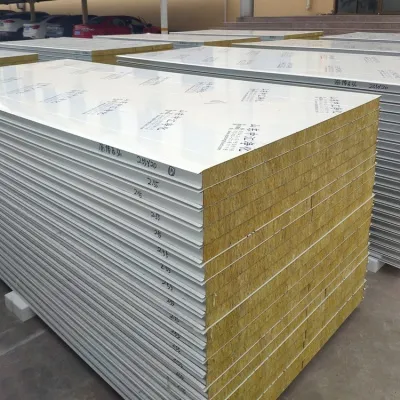
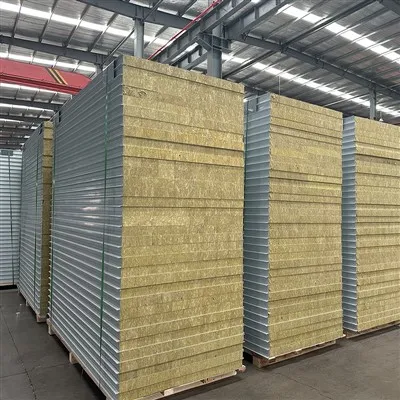
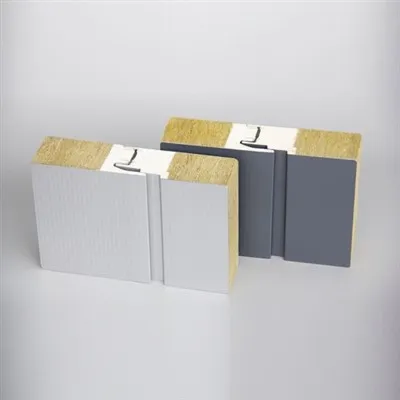
Before we get into the specifics of Rockwool Cleanroom Sandwich Panels, it's important to understand the basic concept of sandwich panels. A sandwich panel is a type of prefabricated building material that consists of three layers: two outer layers (skins) and a core material in between. The outer layers provide structural strength, durability, and an aesthetic finish, while the core material offers insulation, soundproofing, and other functional properties.
Components of Rockwool Cleanroom Sandwich Panels
Outer Skins
The outer skins of Rockwool Cleanroom Sandwich Panels are typically made of high-quality metal sheets, such as galvanized steel or aluminum. These materials are chosen for their strength, durability, and resistance to corrosion, which is essential in cleanroom environments where hygiene and cleanliness are of utmost importance.
- Galvanized Steel: Galvanized steel is a popular choice for the outer skins of Rockwool Cleanroom Sandwich Panels due to its excellent strength and corrosion resistance. The steel is coated with a layer of zinc, which provides a protective barrier against rust and other forms of corrosion. Galvanized steel skins are also relatively easy to clean and maintain, making them ideal for use in cleanrooms.
- Aluminum: Aluminum is another common material used for the outer skins of Rockwool Cleanroom Sandwich Panels. Aluminum is lightweight, strong, and resistant to corrosion, making it a good choice for applications where weight is a concern. Aluminum skins also have a high reflectivity, which can help to reduce energy consumption by reflecting heat and light.
Core Material: Rockwool
The core material of Rockwool Cleanroom Sandwich Panels is made of rockwool, also known as mineral wool. Rockwool is a fibrous insulation material that is made by melting natural rocks, such as basalt or diabase, at high temperatures and then spinning the molten rock into fibers. These fibers are then compressed and bonded together to form a rigid insulation board.


- Insulation Properties: Rockwool has excellent insulation properties, which make it an ideal core material for cleanroom sandwich panels. It has a low thermal conductivity, which means that it can effectively reduce heat transfer between the inside and outside of the cleanroom. This helps to maintain a stable temperature and humidity level inside the cleanroom, which is essential for many sensitive processes and equipment.
- Fire Resistance: Rockwool is also highly fire-resistant, which is another important property for cleanroom applications. It has a high melting point and does not burn or support combustion, which means that it can help to prevent the spread of fire in the event of a fire outbreak. This is particularly important in cleanrooms where there may be flammable materials or equipment.
- Soundproofing: In addition to its insulation and fire-resistant properties, rockwool also has good soundproofing properties. It can absorb sound waves and reduce noise levels inside the cleanroom, which is important for creating a quiet and comfortable working environment.
Other Components
In addition to the outer skins and core material, Rockwool Cleanroom Sandwich Panels may also include other components, such as sealants, adhesives, and fasteners. These components are used to ensure a tight and secure fit between the panels and to prevent air and moisture leakage.
- Sealants: Sealants are used to seal the joints between the panels and to prevent air and moisture from entering the cleanroom. They are typically made of silicone or other rubber-like materials and are applied to the edges of the panels before installation.
- Adhesives: Adhesives are used to bond the outer skins to the core material and to ensure a strong and durable connection. They are typically made of epoxy or other high-strength adhesives and are applied during the manufacturing process.
- Fasteners: Fasteners are used to secure the panels to the building structure and to ensure a stable and secure installation. They are typically made of steel or aluminum and are available in a variety of shapes and sizes.
Advantages of Rockwool Cleanroom Sandwich Panels
There are several advantages to using Rockwool Cleanroom Sandwich Panels in cleanroom applications. These include:
- Excellent Insulation: As mentioned earlier, rockwool has excellent insulation properties, which can help to reduce energy consumption and maintain a stable temperature and humidity level inside the cleanroom.
- Fire Resistance: Rockwool is highly fire-resistant, which can help to prevent the spread of fire in the event of a fire outbreak. This is particularly important in cleanrooms where there may be flammable materials or equipment.
- Soundproofing: Rockwool also has good soundproofing properties, which can help to reduce noise levels inside the cleanroom and create a quiet and comfortable working environment.
- Hygiene and Cleanliness: The outer skins of Rockwool Cleanroom Sandwich Panels are typically made of smooth, non-porous materials, such as galvanized steel or aluminum, which are easy to clean and maintain. This helps to prevent the growth of bacteria and other microorganisms, which is essential in cleanroom environments.
- Durability and Longevity: Rockwool Cleanroom Sandwich Panels are designed to be durable and long-lasting. They are resistant to corrosion, impact, and other forms of damage, which means that they can withstand the rigors of daily use in a cleanroom environment.
Applications of Rockwool Cleanroom Sandwich Panels
Rockwool Cleanroom Sandwich Panels are used in a variety of cleanroom applications, including:
- Pharmaceutical and Biotechnology Industries: In the pharmaceutical and biotechnology industries, cleanrooms are used to manufacture and test drugs, vaccines, and other medical products. Rockwool Cleanroom Sandwich Panels are ideal for these applications due to their excellent insulation, fire resistance, and hygiene properties.
- Electronics and Semiconductor Industries: In the electronics and semiconductor industries, cleanrooms are used to manufacture and assemble electronic components and devices. Rockwool Cleanroom Sandwich Panels are used to create a controlled environment that is free from dust, dirt, and other contaminants, which can damage sensitive electronic components.
- Food and Beverage Industries: In the food and beverage industries, cleanrooms are used to process and package food and beverage products. Rockwool Cleanroom Sandwich Panels are used to create a hygienic and clean environment that meets the strict standards of the food and beverage industry.
Conclusion
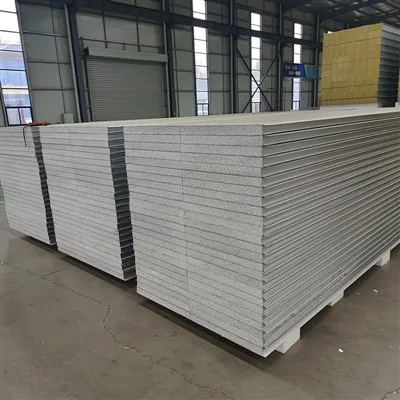
In conclusion, Rockwool Cleanroom Sandwich Panels are a popular choice for cleanroom applications due to their excellent insulation, fire resistance, soundproofing, hygiene, and durability properties. They are made up of high-quality outer skins and a core material of rockwool, which provides a range of functional benefits. If you are in the market for cleanroom sandwich panels, I encourage you to consider Rockwool Cleanroom Sandwich Panel. We also offer other types of cleanroom panels, such as Silica Rock Sandwich Panel and Hollow MGO Cleanroom Panel. If you have any questions or would like to discuss your specific requirements, please feel free to contact us for a detailed consultation. We look forward to working with you to provide the best cleanroom solutions for your needs.
References
- Building Materials Handbook: A Comprehensive Guide to Building Materials and Their Applications.
- Cleanroom Technology: Principles and Practices.
- Insulation Materials: Properties and Applications.