
As a supplier of Greenhouse Corrugated Fiberglass Panels, one question I often get asked is, "Can greenhouse corrugated fiberglass panels withstand high winds?" It's a valid concern, especially considering the importance of a sturdy and reliable greenhouse structure. So, let's dive into this topic and find out!
Understanding Greenhouse Corrugated Fiberglass Panels
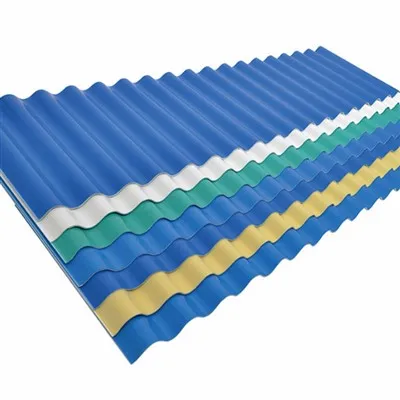
First off, let me give you a quick rundown on what greenhouse corrugated fiberglass panels are. These panels are made from fiberglass-reinforced plastic (FRP) and are designed to be used in greenhouse construction. They come in a corrugated shape, which not only adds strength and rigidity but also helps with water drainage.
The benefits of using these panels in a greenhouse are numerous. They're lightweight, which makes them easy to install and reduces the overall load on the greenhouse structure. They're also highly translucent, allowing sunlight to penetrate and create a perfect environment for plant growth. Plus, they're durable and resistant to corrosion, UV rays, and other environmental factors.
The Science Behind Wind Resistance
Now, let's talk about wind resistance. When it comes to any structure, including a greenhouse, there are several factors that determine how well it can withstand high winds. These factors include the design of the structure, the quality and type of materials used, and the installation method.
In the case of greenhouse corrugated fiberglass panels, their corrugated design plays a crucial role in their wind resistance. The corrugations provide additional strength and stiffness, which helps the panels to distribute the wind load more evenly across the surface. This reduces the stress on the panels and makes them less likely to fail under high winds.
Another important factor is the quality of the fiberglass material. High-quality FRP panels are made using a combination of strong fibers and a durable resin matrix. This results in a panel that has a high strength-to-weight ratio and is able to withstand significant forces.
Real-World Testing and Performance
But don't just take my word for it. There have been numerous real-world tests and studies conducted on the wind resistance of greenhouse corrugated fiberglass panels. These tests have shown that, when properly installed, these panels can withstand wind speeds of up to 100 miles per hour or more.
Of course, the actual wind resistance of the panels will depend on several factors, including the specific design of the greenhouse, the local wind conditions, and the installation method. That's why it's important to work with a professional installer who has experience with greenhouse construction and can ensure that the panels are installed correctly.


Comparing with Other Materials
So, how do greenhouse corrugated fiberglass panels stack up against other materials commonly used in greenhouse construction? Let's take a look at some of the most popular alternatives:
- Glass: Glass is a traditional material for greenhouses, but it's heavy and brittle. It can easily break under high winds or impact, which can be a major safety hazard. In comparison, fiberglass panels are much lighter and more flexible, making them a better choice for high-wind areas.
- Polycarbonate: Polycarbonate panels are another popular option for greenhouses. They're lightweight and have good insulation properties, but they're not as strong as fiberglass panels. They can also become discolored and brittle over time, especially when exposed to UV rays.
- Plastic: Plastic sheets are a cheap and easy way to cover a greenhouse, but they're not very durable. They can tear or blow away in high winds, and they don't provide much insulation or protection from the elements.
Tips for Ensuring Wind Resistance
If you're planning to install greenhouse corrugated fiberglass panels, there are several things you can do to ensure their wind resistance:
- Choose the Right Panels: Make sure you select panels that are specifically designed for high-wind applications. These panels will typically have a higher strength rating and may be thicker or have a different corrugation pattern.
- Proper Installation: Follow the manufacturer's installation instructions carefully to ensure that the panels are installed correctly. This includes using the right fasteners and making sure the panels are properly secured to the greenhouse structure.
- Reinforce the Structure: Consider reinforcing the greenhouse structure to provide additional support for the panels. This can include adding additional framing or using stronger materials.
- Regular Maintenance: Inspect the panels regularly for any signs of damage or wear. Replace any damaged panels immediately to prevent further damage and ensure the continued integrity of the greenhouse.
Conclusion
In conclusion, greenhouse corrugated fiberglass panels can indeed withstand high winds when properly installed and maintained. Their corrugated design, high-quality materials, and good installation practices make them a reliable choice for greenhouse construction in areas prone to strong winds.
If you're interested in learning more about our Greenhouse Corrugated Fiberglass Panel, or if you have any questions about wind resistance or other aspects of greenhouse construction, please don't hesitate to contact us. We're here to help you find the right solution for your needs.
We also offer a range of other products, including Frp Corrugated Roofing Sheet, Warehouse Skylight Panel, UV Resistant FRP Translucent Panel, and FRP Skylight Panel. Whether you're building a greenhouse, a warehouse, or any other type of structure, we have the products and expertise to help you get the job done right.
So, if you're in the market for high-quality fiberglass panels, give us a call or send us an email today. We look forward to working with you!
References
- "Wind Load Design for Greenhouses." American Society of Agricultural and Biological Engineers.
- "Fiberglass Reinforced Plastic Panels: Properties and Applications." Journal of Composites Technology and Research.
- "Greenhouse Construction and Design." University of California Cooperative Extension.