
Are PC corrugated sheets suitable for coastal areas? That's a question I get asked a lot as a supplier of PC Corrugated Sheets. Coastal areas have unique environmental conditions, and it's crucial to figure out if these sheets can stand up to them. Let's dig into the details and find out.
Understanding PC Corrugated Sheets
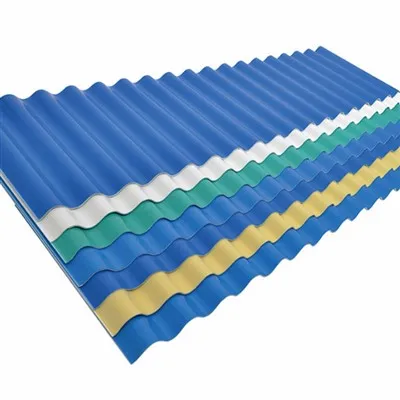
First off, what are PC corrugated sheets? PC stands for polycarbonate, a super - strong and lightweight plastic. These sheets are made with a corrugated design, which gives them extra strength and rigidity. They're used in a bunch of different applications like greenhouses, industrial roofing, and even as transparent roofing materials.
We offer a wide range of PC corrugated sheets, including Greenhouse Corrugated Polycarbonate Sheet, Polycarbonate Transparent Corrugated Sheet, Transparent PC Roofing Material, Industrial PC Corrugated Sheet, and Polycarbonate Roofing Tile. Each type has its own features and benefits, but they all share the basic qualities of polycarbonate.
The Challenges of Coastal Areas
Coastal areas come with a set of challenges that can really test building materials. The first biggie is saltwater. The air near the coast is full of salt particles, and when these come into contact with building materials, they can cause corrosion and degradation over time.
Another issue is high humidity. Coastal regions usually have a lot of moisture in the air, which can lead to mold and mildew growth. And let's not forget about the strong winds and storms that are common in coastal areas. These can put a lot of stress on roofing and other structures.
Advantages of PC Corrugated Sheets in Coastal Areas
1. Durability and Resistance
PC corrugated sheets are incredibly durable. They have a high impact resistance, which means they can withstand the strong winds and flying debris that often come with coastal storms. Unlike some traditional roofing materials, they're not likely to crack or break easily.
In terms of corrosion resistance, polycarbonate is a great choice. It doesn't react with saltwater or the salt - laden air in coastal areas, so it won't rust or corrode. This makes it a long - lasting option for coastal buildings.
2. Lightweight
The lightweight nature of PC corrugated sheets is a huge plus. In coastal areas, where the ground might be softer or the building structure needs to be more flexible, a lightweight roofing material is ideal. It puts less stress on the building's foundation and structure, reducing the risk of damage during storms or high - wind events.
3. Transparency
Some of our PC corrugated sheets, like the Polycarbonate Transparent Corrugated Sheet and Transparent PC Roofing Material, offer transparency. This can be really useful in coastal greenhouses or other structures where natural light is important. The sheets let in plenty of sunlight while still providing protection from the elements.


4. UV Resistance
Most of our PC corrugated sheets come with a UV - resistant coating. This is important in coastal areas, where the sun can be intense. The coating helps prevent the sheets from yellowing or becoming brittle over time due to UV exposure, ensuring they look and perform well for years.
Potential Drawbacks and How to Mitigate Them
1. Temperature Expansion
PC corrugated sheets can expand and contract with temperature changes. In coastal areas, where there can be significant temperature variations between day and night or between seasons, this could potentially cause problems. However, proper installation can mitigate this issue. We recommend leaving some expansion gaps during installation to allow the sheets to expand and contract without causing damage.
2. Cleaning and Maintenance
The high humidity and salt in the air can cause dirt and grime to build up on the sheets. Regular cleaning is necessary to keep them looking good and functioning properly. We suggest using a mild soap and water solution to clean the sheets. Avoid using abrasive cleaners, as they can scratch the surface.
Real - World Examples
I've seen many successful installations of our PC corrugated sheets in coastal areas. For example, a greenhouse in a coastal town used our Greenhouse Corrugated Polycarbonate Sheet. The sheets have withstood several strong storms and the constant exposure to salt air. The greenhouse owners are really happy with how well the sheets have held up and how much natural light they let in.
In another case, an industrial building near the coast installed our Industrial PC Corrugated Sheet. The lightweight nature of the sheets made the installation process easier, and the corrosion resistance has saved them from having to replace the roofing material frequently.
Conclusion
So, are PC corrugated sheets suitable for coastal areas? In my opinion, yes, they are. They offer a great combination of durability, lightweight design, transparency, and UV resistance, which are all important qualities for coastal applications. While there are some potential challenges like temperature expansion and maintenance, these can be easily managed with proper installation and care.
If you're in a coastal area and looking for a reliable roofing or building material, our PC corrugated sheets could be the perfect choice for you. We're always here to answer your questions and discuss your specific needs. Don't hesitate to get in touch if you're interested in purchasing our products. We can provide more detailed information and help you choose the right type of PC corrugated sheet for your project.
References
- "Polycarbonate Materials in Construction: Properties and Applications" - Construction Materials Journal
- "Coastal Building Design and Materials" - Coastal Engineering Research Institute