
As a supplier of PU Edge Sealing Rockwool Roof Panels, I often get asked about the sound - insulation effect of our product. In this blog, I'll delve into the details of how well these panels can insulate sound, exploring the science behind it and the practical implications.
The Basics of Sound Insulation
Sound is a form of energy that travels in waves through different media, such as air, water, or solids. When sound waves encounter a barrier, like a roof panel, part of the energy is reflected, part is absorbed, and part is transmitted through the barrier. The goal of sound insulation is to minimize the amount of sound energy that is transmitted to the other side of the barrier.
The effectiveness of sound insulation is typically measured in decibels (dB). A higher dB rating means better sound insulation. For example, a sound - insulating material with a rating of 40 dB can reduce the sound level by 40 dB.
How PU Edge Sealing Rockwool Roof Panels Work for Sound Insulation
1. The Role of Rockwool
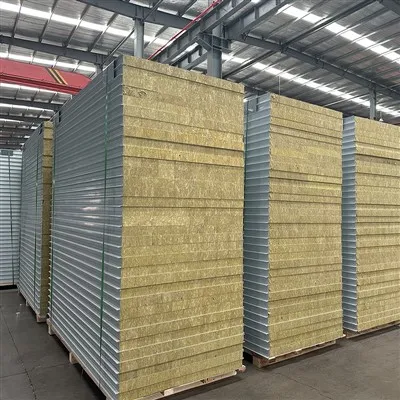
Rockwool is a key component in our PU Edge Sealing Rockwool Roof Panels. It is made from natural rock materials that are melted and spun into fibers. These fibers create a dense and porous structure. When sound waves hit the rockwool, they enter the pores and are scattered. The friction between the sound waves and the fibers converts the sound energy into heat energy, which is then dissipated.


The density and thickness of the rockwool play important roles in its sound - insulating ability. Generally, a higher - density and thicker rockwool layer can provide better sound insulation. Our panels are designed with an optimized thickness and density of rockwool to ensure excellent sound - absorption performance.
2. The Function of PU Edge Sealing
The PU (Polyurethane) edge sealing in our roof panels serves multiple purposes. Firstly, it provides a tight seal around the edges of the panel. This prevents sound from leaking through the gaps between panels, which is a common problem in non - sealed or poorly sealed panels.
Secondly, the PU material itself has some sound - insulating properties. It can absorb and dampen sound waves, further enhancing the overall sound - insulation effect of the panel. The combination of the rockwool core and the PU edge sealing creates a comprehensive sound - insulation system.
Factors Affecting the Sound - Insulation Effect
1. Panel Thickness
As mentioned earlier, the thickness of the panel is a crucial factor. Thicker panels generally have better sound - insulation capabilities because they provide more material for the sound waves to interact with. Our PU Edge Sealing Rockwool Roof Panels are available in different thicknesses, allowing customers to choose the option that best suits their sound - insulation requirements.
2. Installation Quality
Even the best - designed panels can have poor sound - insulation performance if they are not installed correctly. Proper installation ensures that there are no gaps or loose connections between panels. Our company provides detailed installation guidelines and can offer on - site installation support to ensure that the panels are installed to the highest standards.
3. External Sound Sources
The type and intensity of external sound sources also affect the perceived sound - insulation effect. For example, low - frequency sounds, such as traffic noise or machinery vibrations, are more difficult to insulate against than high - frequency sounds. However, our panels are designed to perform well across a wide range of frequencies.
Practical Applications and Benefits
1. Industrial Buildings
In industrial settings, there are often high - noise levels from machinery, equipment, and vehicles. Our PU Edge Sealing Rockwool Roof Panels can significantly reduce the amount of noise that enters or leaves the building. This not only creates a more comfortable working environment for employees but also helps to meet noise - pollution regulations.
2. Commercial Buildings
Commercial buildings, such as offices and shopping malls, also benefit from good sound insulation. It can reduce distractions from external noise, improve the acoustic quality inside the building, and enhance the overall customer experience.
3. Residential Buildings
For residential buildings, sound insulation is essential for a peaceful living environment. Our panels can block out noise from neighbors, traffic, and other external sources, allowing residents to enjoy a quiet and comfortable home.
Testing and Certification
To ensure the quality and performance of our PU Edge Sealing Rockwool Roof Panels, we conduct rigorous testing. Our panels are tested in accordance with international standards for sound insulation. We also have certifications that verify the sound - insulation performance of our products. This gives our customers confidence in the effectiveness of our panels.
Comparing with Other Roof Panel Materials
When compared with other common roof panel materials, such as metal panels or simple insulation panels, our PU Edge Sealing Rockwool Roof Panels have a significant advantage in terms of sound insulation. Metal panels, for example, are good at reflecting heat but are not very effective at absorbing sound. Simple insulation panels may not have the same level of edge sealing and comprehensive design as our panels.
Conclusion
In conclusion, the sound - insulation effect of our PU Edge Sealing Rockwool Roof Panel is quite remarkable. Thanks to the combination of rockwool and PU edge sealing, along with proper design and installation, our panels can effectively reduce the transmission of sound. Whether it's for industrial, commercial, or residential applications, our panels can provide a quiet and comfortable environment.
If you are interested in our PU Edge Sealing Rockwool Sandwich Panel or have any questions about its sound - insulation performance, please feel free to contact us for further discussion and procurement negotiation. We are always ready to provide you with the best solutions.
References
- Building Acoustics Handbook, Second Edition.
- Standards for Sound Insulation in Buildings.